UP TO THE MINUTE






4 reasons adhesives outlast mechanical fasteners

By Dani Sheehan.
Whether you’re installing single ply or traditional modified systems, the right adhesive provides a strong bond and lasting performance.
Adhesives are a reliable choice for commercial roofing systems, offering full-surface bonding that outperforms mechanical fasteners, which can compromise the roof deck and cause structural problems. H.B. Fuller examined the difference between adhesives and mechanical fasteners to highlight how adhesives ensure a durable bond capable of withstanding harsh conditions.
The case for using adhesive
1 – Removes risk of corrosion
Metal fasteners are prone to corrosion over time, especially in humid or salty environments. Corrosion can lead to leaks and structural issues, ultimately jeopardizing the roof’s integrity. Adhesives eliminate this risk, making them an ideal solution for challenging environmental conditions.
2 – Evens the load
Incorrectly installed fasteners can damage the roof deck and weaken it over time. Adhesives distribute the load more evenly across the surface, reducing localized damage and stress points. This not only minimizes repair needs but also extends the lifespan of the roofing system.
3 – No thermal bridging
Thermal bridging occurs when materials with low insulating properties come into contact, creating a pathway for heat transfer. Metal fasteners used in roofing systems often penetrate the insulation and decking, providing a direct route for heat to escape or enter the building. Adhesives eliminate the need for such penetrations, preserving the continuous insulation layer and preventing heat loss or gain.
4 – Doesn’t compromise the deck
Mechanical fasteners can compromise the structural integrity of the roofing deck and are often labor intensive to install. Adhesives avoid deck damage entirely, streamlining the installation process and enhancing long-term durability.
Adhesives are the clear winner
Using adhesives improves the performance and longevity of roofing systems while providing benefits for both installation crews and building occupants.
Learn more about H.B. Fuller in their Coffee Shop Directory or visit www.hbfuller.com.
About the author

Dani is a writer for The Coffee Shops. When she's not writing or researching, she's exploring new hiking trails or teaching yoga classes.
Recommended For You
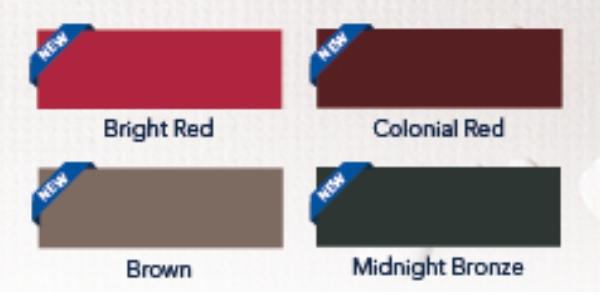
Unparalleled performance in even more color choices
Read More ...
Roof coatings are on the rise
Read More ...
How to get roofing crews to adopt new software
Read More ...
UP TO THE MINUTE

Comments
Leave a Reply
Have an account? Login to leave a comment!
Sign In