
Busting myths about metal roofs
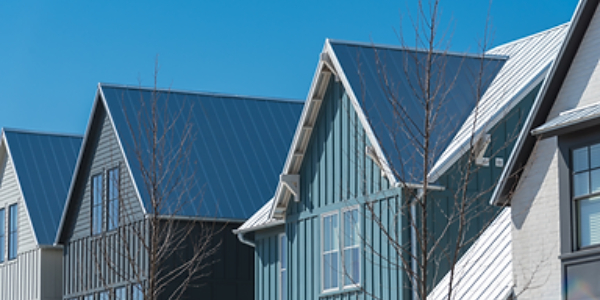
By Chicago Metal Supply.
For too long myths about metal have kept people from taking full advantage of the material.
Even as metal roofing’s reputation has grown better and stronger in recent years, it still carries some mystique with it. There are several myths about the way metal works and the limitations it may or may not have. The effect of this is that often home and business owners avoid metal roofs and miss out on the many benefits that this material can bring to a project.
In everything from color to function, the Chicago Metal Supply experts are here to dispel any rumors and myths holding people back from making the leap to metal.
Myth - It’s aesthetically limited
When you think of metal roofing, you probably imagine metallic colors. While, yes, these certainly exist, they’re far from the only colors available. In truth, metal roofing comes in a wide variety of colors.
Whether you want a roof that is silver, black, red, blue, green, white or any other color, you will be accommodated. Modern metal roofing is designed with aesthetics in mind, and it can essentially transform the look and feel of a property.
Myth - It’s noisy
Another common misconception about metal roofing is that it’s noisy. Many people assume that if something falls on a metal roof — including raindrops — the sound will reverberate throughout the entire structure below.
This may have been true of certain types of metal roofing in the past. However, this only occurs when a metal roof is installed incorrectly. When metal roofing is installed along with insulative materials, this noise will be minimal at worst — and no louder than what you would get with other roofing materials.
Myth - It’s not sustainable
At some point, rumors that metal roofing is not sustainable began to circulate. As such, some people are under the impression that metal roofing is bad for the environment.
This couldn’t be further from the truth. In fact, metal roofing is one of the most sustainable roofing materials available. Not only does it last for a long time (over 50 years), but when installed with high-quality insulation, it provides terrific energy efficiency.
When metal roofing reaches the end of its lifespan, it can be recycled. This is certainly not something you can say about most other roofing materials. You don’t have to worry about metal roofing having sustainability issues. In truth, it’s the exact opposite.
Myth - It lacks energy efficiency
Metal roofs are relatively thin, and depending on the season, they are either hot or cold to the touch. As such, many people assume that it wouldn’t be a good insulator. However, this is not the reality.
Metal roofing is specifically installed with insulation, which makes it highly energy efficient. Not only does it do a good job of keeping out cold, but heat as well. People often ask, “does metal roofing attract heat?” The answer is no. Metal roofing reflects sunlight, which keeps much of the heat of the sun from seeping into the structure below.
In essence, by installing metal roofing on your property, you won’t be doing anything to increase your energy usage. Metal roofing is just as energy efficient as any other roofing material, if not more so.
Original article source: Chicago Metal Supply
Learn more about Chicago Metal Supply in their Coffee Shop Directory or visit www.chicagometalsupply.com.
Recommended For You
NWIR seeks future industry leaders through BOOTS program
Read More ...
What You Need to Know About Florida SB 76 as a Roofing Contractor
Read More ...
Cardone Training Technologies, Inc. partners with the Midwest Roofing Contractors Association to empower roofing contractors with specialized educational resources
Read More ...
UP TO THE MINUTE


Comments
Leave a Reply
Have an account? Login to leave a comment!
Sign In