

Hurricanes and Roofs — What Your Customers Need to Know

By FiberTite.
While a hurricane may be an impressive sight from outer space, it can be a devastating event for those in its path on the ground.
When these storms are defined as being a Category 3 or higher on the Saffir–Simpson hurricane wind scale (SSHWS), they are considered a major hurricane or tropical cyclone. When we hear major storm system names like Sandy, Wilma or Andrew—and now Harvey and Irma— we’re reminded of the destruction these types of storm systems can inflict upon everything in their paths.
Damage to roof coverings is a leading problem during hurricanes and other coastal storm events. High winds, debris and rain can damage the interior of a building and cause excess moisture to become trapped. Excess moisture can lead to mold unless action is taken quickly to dry a building. Preparing the roofing system is important for minimizing damage, health threats and expense. Other actions taken during and after a storm can also help protect the roofing system.
Preparations Before the Storm
Building owners should make sure they have prepared their roof for a hurricane well in advance, reviewing their warranty and insurance policy. It’s important to know that a warranty doesn’t ensure that the roof will withstand a hurricane. The manufacturer typically states that coverage includes materials provided by the manufacturer and the labor provided by the authorized roofing contractor.
Routine maintenance and inspections will validate the performance of the roof system and allow damages to be repaired that might otherwise cause it to be even more susceptible to the wind and rain produced by a hurricane. Retaining the inspection information will provide proof for the building owner that the roofing system was functioning properly before a major wind event. If your customers haven’t had a regular maintenance check prior to hurricane season, contact them to schedule one. Also be sure to take photos of the roofing system prior to a threat. This will be helpful when damages need to be documented.
Other roofing system items building owners should pay attention to include:
- Removing antennas or loose objects
- Securing HVAC units and exhaust/intake fan covers
- Clearing interior drains, gutters and downspouts
- Inspecting the edges and flashings for proper securement
- Covering skylights with plywood or a metal cap (if applicable)
The Hurricane is Over, Now What?
For the building owner, they will be attempting to assess the condition of the roofing system and capture after photos as well as contacting their insurance company. It's a good idea to follow up with your customers to schedule a post-event inspection. Many owners may think if they don't have visible damage or interior leaks that their roof is ok; however, there may be damage not visible to the untrained eye that will need to be repaired.
If your client calls you because of extensive roof damage, FiberTite has a temporary roofing membrane to help protect damaged buildings for up to a year after damage. Get more information.
Orginial article source: FiberTite
Recommended For You
DECRA Metal Roofs Offer the Best Protection Against Tornadoes
Read More ...
5 Ways to Get Ahead on Restoration Projects Post-Storm
Read More ...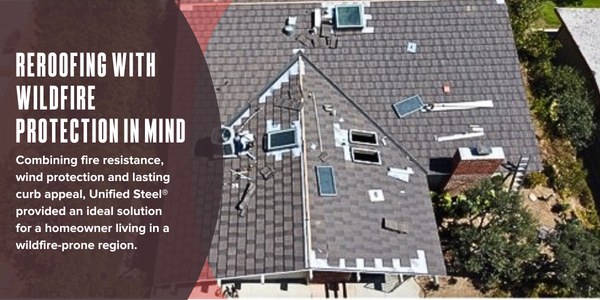
Reroofing with wildfire protection in mind
Read More ...
UP TO THE MINUTE





Comments
Leave a Reply
Have an account? Login to leave a comment!
Sign In