

IRS Reminds Taxpayers to Think About About Financial Preparedness When Planning for Emergencies
By Cass Jacoby, RCS Reporter.
Gathering important documents you will need post-disaster is a critical step of preparing for an emergency, make sure not to forget these key financial documents while making your plans.
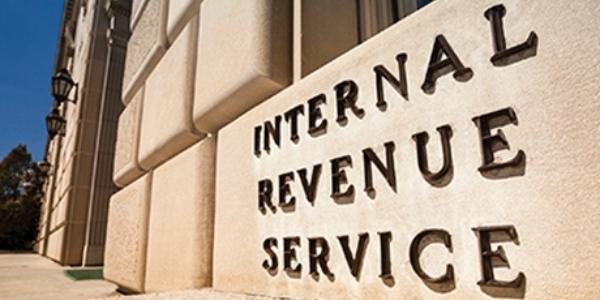
Earlier this month, the IRS urged individuals, organizations and businesses to take time now to make or update their emergency plans. As May is the proverbial calm before storm season, as well as National Hurricane Preparedness Week and National Wildfire Awareness Month, now is the perfect time to refresh and reexamine what to do should a natural disaster hit your home. The National Roofing Contractors Association (NRCA) specifically recommends a preparedness plan that includes key documents as well as lists of belongings and property.
Follow this handy checklist when reassessing your emergency plans to make sure you have the proper paperwork to make post-disaster recovery smoother.
Secure and gather important documents. According to FEMA, the financial documents you need following a natural disaster are: Bank statements, tax returns, deeds, titles and insurance policies. All of the aforementioned documents need to be kept in a safe, waterproof container.
Make copies of your documents. The IRS also recommends making a duplicate set of important documents kept with a trusted person outside of your location in case of emergency. Rather than making paper copies, they suggest scanning your documents and backing them up on a flash drive.
Take videos or photographs of high-value items in your home or business. Collecting evidence of ownership with high-value items can help support claims for any available insurance or tax benefits in case of disaster. The IRS has a disaster-loss workbook to help people compile lists of belongings or business equipment.
Check fiduciary bonds. If you are an employer using payroll service providers, you should ask ahead of the emergency if there is a fiduciary bond in place. A fiduciary bond protects the employer in the event of default by payroll service provider. The IRS warns employers to be careful to select a reputable payroll service provider.
What happens if these documents are lost in a disaster?
Should you not have these records of high-value possessions or key documents and they are lost in an emergency, you most likely will have to reconstruct these documents. Rebuilding records after a disaster is usually required for tax purposes, getting federal assistance and insurance reimbursement. If you are a taxpayer who has lost their records during a disaster you can visit the IRS’s Reconstructing Records webpage. Complete disaster assistance and emergency relief information can also be found on the IRS website.
Stay up to date with the latest roofing industry news when you sign up for the RCS Week in Roofing e-news.
Recommended For You

Climate-ready roofs move from option to necessity
Read More ...
Top roofing materials for fluctuating weather
Read More ...
Built for bigger storms: Meeting the challenge of very severe hail
Read More ...
UP TO THE MINUTE






Comments
Leave a Reply
Have an account? Login to leave a comment!
Sign In