UP TO THE MINUTE






Learn about the less well-known parts of a roof
By Royalty South.
A roof features two elements that most homeowners aren’t aware of – soffit and fascia. Find out what these elements are and the roles they play.
Editor’s note: Share this article with homeowners to educate them about the different elements of their home’s roof.
If you’ve never heard the words soffit or fascia, don’t fret; they are two architectural elements of roofs that often go unnoticed. While often forgotten, they are important to your roof’s stability. Working together, soffits and fascias not only make your home aesthetically pleasing, but also contribute to the security of your roof system by providing structural integrity and shielding against the elements.
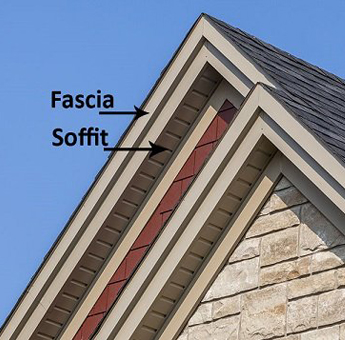
The soffit is the exposed siding located beneath your roof’s overhang. It is typically not a huge worry for curb appeal, but it can be seen when closer to your house. It is common for your soffit to be the same color and design as your home’s siding. As for function, the soffit provides ventilation to the attic, regulating temperature and moisture levels which prevent mold and rot.
On the other hand, fascias are vertical boards running along the lower edge of the roof, typically where gutters are attached. The exposed boards on the front of your roof’s overhang are the fascia. Unlike soffits, fascias are very visible and contribute to your home’s curb appeal. The fascia protects the roof and provides support for the bottom row of roof shingles and allows space for gutter attachment.
Soffits and fascias work together to contribute to the structure and integrity of your home and roof. These components have four major contributions to your home:
- Weather protection: Soffits and fascias work together to create a barrier against the elements. Soffits prevent water, pests, and debris from entering the attic, while fascias shield the roof and interior from weather-related damage.
- Ventilation: Adequate ventilation is critical for maintaining a healthy home environment. Soffits facilitate the ventilation of the attic, preventing the buildup of moisture and reducing the risk of issues like mold and mildew.
- Structural integrity: Fascias contribute to the structural integrity of the roof by supporting the lower edge of the roof covering. This support helps prevent sagging and other structural issues over time.
- Curb appeal: Beyond their functional roles, well-designed soffits and fascias enhance the curb appeal of your home. Thoughtful architectural detailing can add character and charm to the overall design.
While soffits and fascias may seem like minor components in the grand scheme of home construction, their importance cannot be overstated. These elements blend form and function, ensuring your home remains both visually appealing and well-protected against the challenges posed by the environment. Regular inspection and maintenance of soffits and fascias contribute to the overall health and longevity of your home’s exterior.
Original article source: Royalty South
Learn more about Royalty Roofing Coffee Shop Directory or visit royaltyroofing.com.
Recommended For You

Build your metal construction career at METALCON
Read More ...
Attend Owens Corning University In-person!
Read More ...
A roofer’s guide to WRE 2026
Read More ...
UP TO THE MINUTE

Comments
Leave a Reply
Have an account? Login to leave a comment!
Sign In