

Lightning Awareness for Outside Workers
By Karen L. Edwards, RCS Editor.
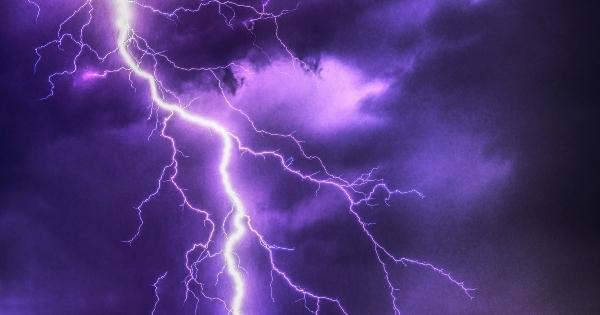
A lighting strike can severely injure or kill workers yet is if often overlooked as an occupational hazard.
In the United States each year, cloud-to-ground lightning strikes occur 20 – 25 million times and over 300 people are struck by lightning. There have been an average of 50 people dying each year due to lightning for the past 30 years.
Sadly, a roofing crew in Florida experienced a lightning strike that injured five crew members and took the life of a 20-year-old woman who was working on the roof. Many times, lightning victims are caught outside in a storm because they didn’t act quickly to get to a safe place, or they went back outside too soon after a storm has passed. You should remain in shelter until 30 minutes after hearing the last sound of thunder.
The National Oceanic and Atmospheric Administration (NOAA) advises that if you hear thunder to go inside immediately. Any thunder that you hear is caused by lightning and just because you might not have seen a flash of lightning doesn’t mean that it isn’t there. Lightning can be unpredictable and can even strike up to 10 miles away from rainfall.
It’s very important to provide your employees with lightning safety training as part of your regular safety trainings. Each worksite should have a designated safe shelter area where workers can go when a storm comes through.
NOAA advises workers to: “Seek fully-enclosed, substantial buildings with wiring and plumbing. In modern buildings, the interior wiring and plumbing will act as an earth ground. A building is a safe shelter as long as you are not in contact with anything that can conduct electricity (e.g., electrical equipment or cords, plumbing fixtures, corded phones). Do not lean against concrete walls or floors (which may have metal bars inside).” If safe building structures are not available, workers should seek shelter in hard-topped metal vehicles with the windows rolled up.
With the advancement of technology, anyone with a smart phone can download a free weather app that can show the radar, the threat of storms and reported lightning strikes. Check the app and the conditions for every job site should be a top priority for keeping your crews safe.
Get more industry news and information delivered to your in-box weekly when you sign up for the RCS Week-in-Review e-newsletter.
Recommended For You

Top September Stories: Warranty Costs, Material Shortages and Vaccine Mandates
Read More ...
The Coffee Shops™ welcome Roofing Business Partner!
Read More ...
Meet Tremco Roofing’s Rookies of the Year
Read More ...
UP TO THE MINUTE





Comments
Leave a Reply
Have an account? Login to leave a comment!
Sign In