
Magnificent metal Monday - Asteroid “Psyche” made of almost all metal

By METALCON.
New 2022 space mission to explore planet made entirely of treasure trove of metal.
For our METALCON community who work with metal on a daily basis, you already live in a “world of metal.” But could you imagine a “world actually MADE of metal?” Observations from Earth hint that a 124-mile-wide (200 kilometers) asteroid called Psyche, is 95 percent metal, just like the core of a rocky planet. [NASA’s Mission to Metal Asteroid Psyche (Images)]
According to Space.com, an ambitious mission to a “world made of metal” will help scientists better understand how Earth and other rocky planets evolved, according to a new video from NASA’s Goddard Space Flight Center. The Psyche mission will depart Earth in 2022. The original plan called for a launch in 2023, but NASA moved up the timeline to save on cost and arrive at the asteroid sooner. Under the new plan, the spacecraft will pick up speed with a Mars flyby and arrive at the asteroid in early 2026.
“All of the rocky planets we know of, they’ve all got a metal core in their center, and especially for the Earth, it’s the source of our magnetic field,” principal investigator Lindy Elkins-Tanton, a planetary scientist at Arizona State University (ASU), says in the video. “We don’t know a lot about our core. What we’ve learned about it, we’ve learned indirectly, because we can’t go there.”
Psyche has a unique history. Scientists suspect the Massachusetts-size world is the core of a planetesimal, or a small body that could have formed with other worlds of its type to form a planet. But as Psyche formed, it may have crashed into other bodies that stripped away its rocky mantle instead, scientists say. All that’s left today is the tiny metallic core.
“We’ve been to all the different planets, we’ve been to other asteroids. But we’ve never visited a body that has been made of entirely metal,” said Carol Polanskey, project scientist for the Psyche mission. The mission’s leader at Arizona State estimates that the iron alone on today’s market would be worth $10,000 quadrillion (that’s a one followed by 19 zeroes)!
While it may seem like a “treasure trove of metal,” scientists want to first explore the asteroid before understanding what implications it may have.
Learn more about METALCON.
Source: METALCON.
Recommended For You
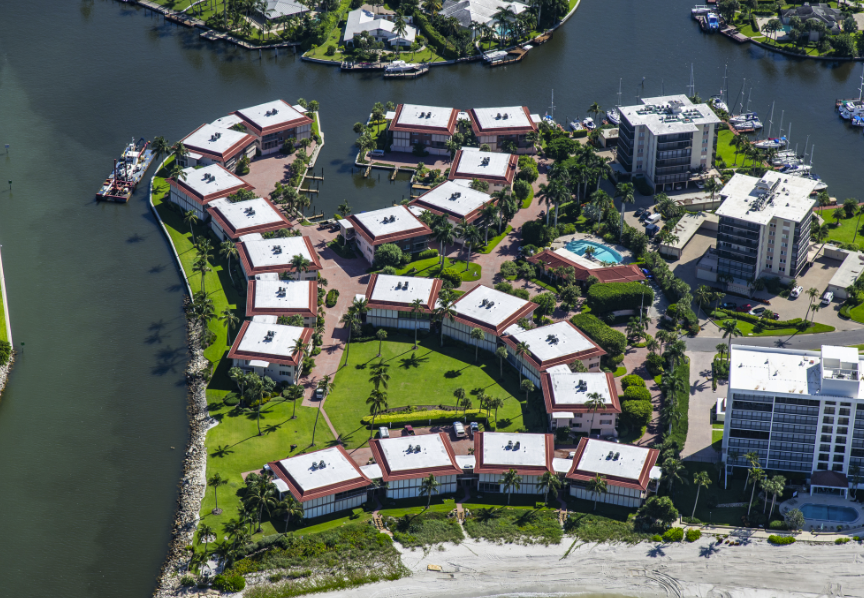
Indies West Condominiums, Naples, Florida
Read More ...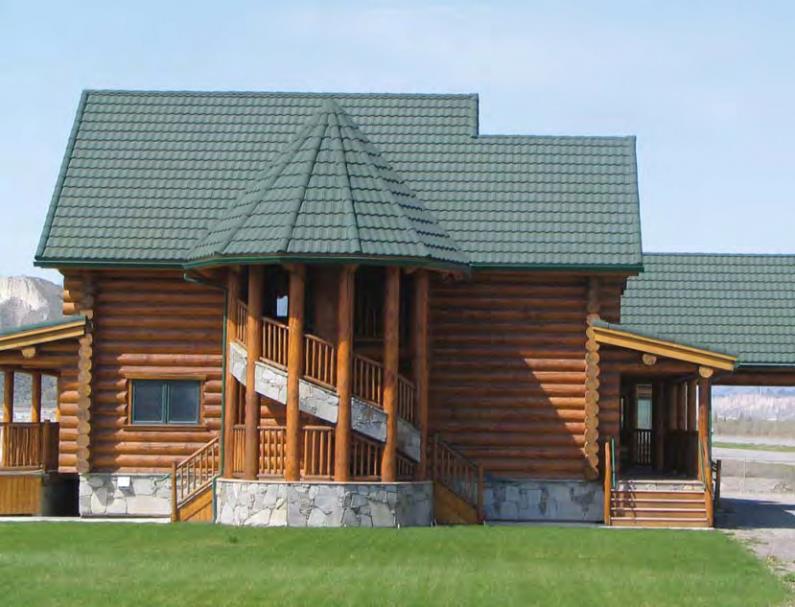
Using DECRA on Log Homes
Read More ...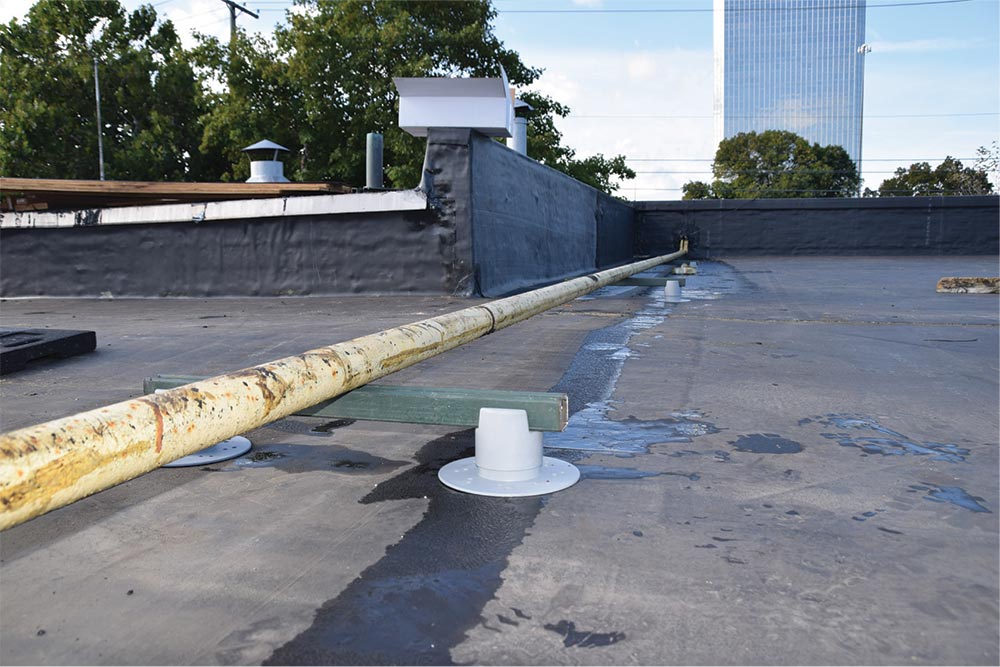
Paver and Strut Knucklehead Upgrade Cooling System Support During Re-Roofing
Read More ...
UP TO THE MINUTE




Comments
Leave a Reply
Have an account? Login to leave a comment!
Sign In