

Managing thermal movement
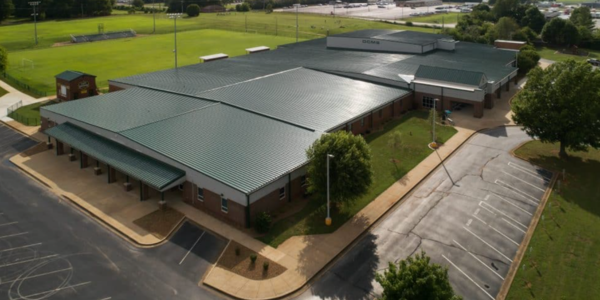
By The Coffee Shops™.
Understanding how metal roofing materials react to temperature changes is essential for achieving long-term system performance.
As metal roofing continues to gain popularity for its durability and longevity, understanding how roofing systems respond to changing temperatures remains critical for long-term performance. In the article, "Thermal expansion and contraction in metal roof systems," PAC-CLAD Petersen examines how temperature fluctuations affect metal roof panels and outlines best practices for designing systems that can accommodate natural movement.
Metal roof panels expand when heated and contract when cooled, but the building structure beneath them often moves at a different rate. If thermal movement is not properly addressed during design and installation, the resulting stress can contribute to issues such as oil canning, fastener fatigue and panel movement over time.
According to Petersen, the amount of expansion and contraction depends on several factors, including metal type, panel length and temperature variation. Aluminum, for example, expands and contracts significantly more than steel. A 30-foot aluminum panel exposed to a 100-degree temperature swing can move nearly twice as much as a comparable steel panel.
The article also addresses a common concern among building owners and occupants: popping noises. While these sounds can be alarming, they do not typically indicate a defect or failure in the roofing system. Instead, they are often part of the natural expansion and contraction process and generally lessen as the roof system adjusts to local environmental conditions over time.
To help ensure long-term roof performance, Petersen recommends several design and installation strategies. These include using floating clip systems or slip joints on longer panels, allowing for movement at ridges, eaves and transitions, avoiding rigid attachment at both ends of a panel and preventing over-tightening of clips and fasteners. The article also notes that darker roof colors can absorb more heat and contribute to greater panel movement over time.
By accounting for thermal movement early in the design process and following proven installation practices, contractors can help minimize stress on roofing components while supporting the long-term durability and performance of metal roof systems.
Learn more about PAC-CLAD Petersen in their Coffee Shop Directory or visit pac-clad.com.
Recommended For You
What You Should do to Storm-prep Your Jobsite
Read More ...
Roofing in a winter wonderland: A guide to cold installation
Read More ...
Understanding Wildland Urban Interface (WUI)
Read More ...
UP TO THE MINUTE



Comments
Leave a Reply
Have an account? Login to leave a comment!
Sign In