

Roofing safety starts with jobsite evaluation
By Cotney Consulting Group.
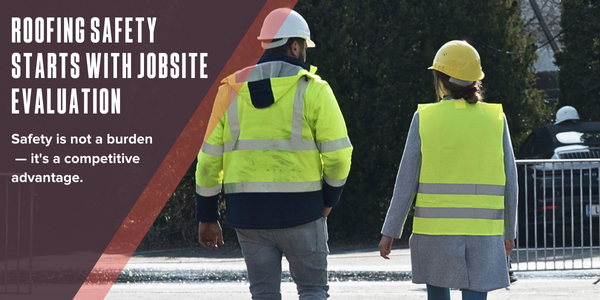
Safety is not a burden — it's a competitive advantage. A safe roofing crew is more efficient, confident and trusted by clients.
Getting caught up in production — materials, deadlines, labor coordination and client expectations is easy in the roofing business. But before the first shingle is lifted, the harness is clipped or the equipment is unloaded, one critical step should never be skipped: a thorough job site evaluation.
A proper evaluation doesn't just ensure compliance — it prevents injuries, protects property and sets the tone for a safe, professional project. For roofing contractors and crews, the job site evaluation is the foundation of safety. If you want your team to finish strong, you must start smart.
What is a jobsite evaluation?
A job site evaluation is a formal walkthrough or inspection of the work environment before and during the project. The goal? To identify potential hazards and set up controls to eliminate or minimize risk. This is not just a checklist to satisfy insurance or compliance — it's a proactive safety strategy.
Roofing sites are dynamic by nature. They involve high elevations, unpredictable weather, multiple trades working simultaneously and significant physical demands. These variables make roofing one of the most hazardous professions in construction. A detailed evaluation helps ensure that every aspect of the site — ground to roof — is accounted for before work begins.
Who should perform it?
A competent person — defined by OSHA as someone capable of identifying hazards and authorized to take corrective measures — should lead the job site evaluation. This often includes the foreman, superintendent or safety coordinator. But safety isn't just a supervisor's job. Every crew member has a role in maintaining awareness and reporting potential hazards.
Encourage your workers to speak up and ask questions during evaluations. A strong safety culture is built on communication and teamwork, not just clipboards and checklists.
What to look for during a roofing jobsite evaluation
Here are key focus areas that every roofing contractor should assess before starting work:
1 - Roof access
- Are ladders or scaffolding properly secured and compliant?
- Is there safe access to all work areas?
- Are fall arrest systems ready for use at access points?
2 - Fall hazards
- Are perimeter edges clearly marked and protected?
- Are there skylights or openings that need guarding?
- Are harnesses, lanyards and anchors available and in good condition?
Falls are the leading cause of death in roofing. This category should never be glossed over.
3 - Weather and surface conditions
- Is the roof surface slippery, wet or unstable?
- Are there forecasts for rain, wind or lightning?
- Are cold or hot temperatures going to increase risks?
The job site evaluation should consider environmental conditions that could change throughout the day.
4 - Ground hazards
- Are materials and tools stored properly?
- Are walkways and staging areas clear of trip hazards?
- Is the ground stable and level for lifting equipment or hoists?
Roofing injuries don't only happen on the roof. Cluttered staging zones can cause trips, slips and severe strains.
5 - Material handling
- Is there a safe method for moving materials from the ground to the roof?
- Are workers using proper lifting techniques or equipment?
- Are flammable materials or chemicals stored safely?
Safe material handling reduces physical strain and prevents fire or spill hazards.
6 - Utilities and electrical hazards
- Are there overhead power lines nearby?
- Are extension cords and temporary power sources protected and grounded?
- Are there live wires or junction boxes on the roof?
A job site evaluation should thoroughly examine electrical exposures, especially when using metal ladders, tools or working near HVAC systems.
7 - Emergency preparedness
- Is there a first aid kit on-site that is fully stocked?
- Are emergency contact numbers posted?
- Is there a rescue plan in place in case of a fall?
Even the safest jobs can go sideways. Planning for emergencies is non-negotiable.
How often should you evaluate the site?
While a job site evaluation must be conducted before work begins, it shouldn't be a one-and-done event. Roofing sites evolve. Materials are moved. Crews shift — weather changes. Hazards come and go.
Make daily inspections part of your routine. Quick morning safety walks, end-of-day reviews and mid-project reassessments keep everyone alert and engaged.
Making safety a team standard
One of the most effective ways to reinforce job site evaluations is by making them part of your company culture. That starts with:
- Training: Teach all crew members how to identify hazards and why evaluations matter.
- Accountability: Hold everyone responsible for safety — no exceptions, no shortcuts.
- Consistency: Conduct evaluations on every job, regardless of size or familiarity.
- Documentation: Record hazards found, corrective actions taken and who completed the evaluation.
Remember: safety is not a burden — it's a competitive advantage. A safe roofing crew is more efficient, confident and trusted by clients.
Conclusion: Start with safety, end with success
Jobsite evaluations aren't just boxes to check — they're vital to roofing safety. The best crews don't wait for an accident to fix a problem. They prevent it before it happens.
Before every job, walk the site. Look at the roof. Talk to your crew. Ask the right questions. Roofing safety doesn't start with the first nail gun blast — it begins with a thoughtful, thorough job site evaluation.
Your team, your business and your future depend on it.
Learn more about Cotney Consulting Group in their Coffee Shop Directory or visit www.cotneyconsulting.com.
Recommended For You

Guidelines for Safely Returning to the Workplace
Read More ...
Mastering risk in roofing
Read More ...
NFRC launches Mental Health and Wellbeing campaign for safer Roofing - ‘weather the Storm’
Read More ...
UP TO THE MINUTE





Comments
Leave a Reply
Have an account? Login to leave a comment!
Sign In