

The Importance of Preplanning for Natural Disasters
By Trimble Contractor WorkZone.
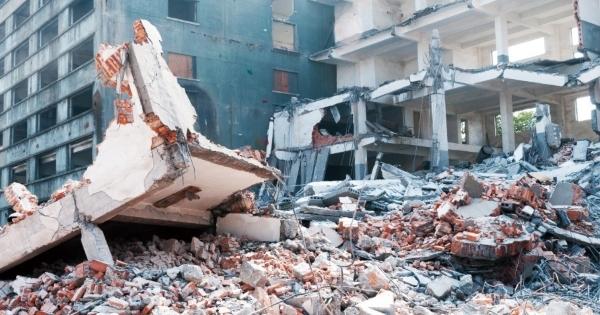
Disasters leave a marked impact on the construction industry, bringing new projects to a halt and sometimes destroying homes and businesses.
Natural disasters seem to be on the rise. The last year alone saw an increase in the number of severe weather events. No matter where disaster strikes, it is well-known that the construction industry plays an important role in the preparation, maintenance and recovery of a natural disaster. For construction professionals, understanding the risk of a natural disaster and how to manage its consequences is critical.
According to the National Centers for Environmental Information (NCEI) the United States has sustained 219 climate disasters where the overall damage costs reached or exceeded $1 billion. The cumulative costs for these 219 events exceeded $1.5 trillion, and you can only imagine how much of that fuels the growth of construction industry.
Contractors are often needed immediately following disasters to help with recovery. Efficiently managing recovery projects means having technology at their fingertips. Thanks to construction management apps and virtual reality, we can now unify resources and adapt plans real-time. Bouncing back from a natural disaster often times depends on the speed of which recovery projects progress, and the communities depend on contractors for this.
For construction workers managing disaster-related projects, consider adopting a mobile project management application to efficiently manage jobsites and recovery efforts. In addition to using an app, virtual reality tools can help contractors easily understand underground conditions that are impossible to access due to floodwaters or obstructed landscape. The combination of these technologies are crucial to the development and innovation of structures and land during and after natural disasters.
At the end of the day, not all natural disasters can be prevented, however; there are important steps that can be done to plan ahead. The design and construction industry can play a major role at mitigating and recovering from these disasters by improving on structural developments and adopting technology to better manage efforts.
Download our white paper to see how your projects might be impacted by natural disasters and what you can do to prepare.
Original article source: Trimble
Recommended For You
Everything You Need to Know About Snow and Metal Rooftops
Read More ...
What You Should do to Storm-prep Your Jobsite
Read More ...
No sudden exits: Controlling snow with the right retention
Read More ...
UP TO THE MINUTE





Comments
Leave a Reply
Have an account? Login to leave a comment!
Sign In