
Understanding tariffs and their impact on your business
By Trent Cotney, Adams and Reese.
If you are a business owner, tariffs can significantly impact your financial performance. So, you may be wondering how President Trump’s tariff plans will affect your bottom line.
In his first term, Trump placed tariffs on items including solar panels and washing machines. President Biden retained most of those tariffs and imposed additional ones on Chinese imports, such as electric vehicles and semiconductors. As he prepares to retake office, Trump is proposing even more tariffs — at least 60 percent on Chinese goods and 10-20 percent on imports from other countries.
When these go into effect, your business could feel the impact. Therefore, it is essential to understand how tariffs work, their purpose and whether your business might qualify for an exemption.
What are tariffs and why are they used?
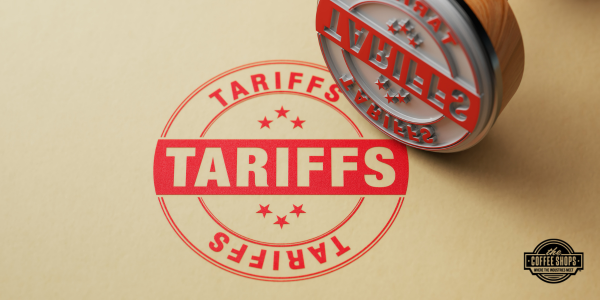
A tariff is basically a tax applied to a specific category of imported goods, and it is collected by customs officials when these items enter a country. Also referred to as “customs duty” or “import duty,” tariffs serve multiple purposes. While they generate revenue for a nation’s treasury, their primary function is often to protect domestic manufacturing by increasing the cost of foreign goods.
For instance, in developed economies like the United States, tariffs can help manufacturers compete against foreign companies that operate with lower labor costs or fewer environmental regulations. In developing countries, tariffs are frequently used to shield budding industries, giving them the chance to grow and compete globally.
How tariffs are imposed
Tariff levels are often set through international agreements, with some nations establishing free trade agreements to minimize or eliminate tariffs on trade between them.
In the United States, the Constitution grants Congress the authority to impose tariffs. However, Congress has delegated specific powers to the president for situations requiring quick or decisive action, such as addressing national security threats. Key legislative acts enabling these powers include:
- The Trade Expansion Act of 1962: This act allows the president to adjust tariffs if the secretary of commerce identifies a threat to national security.
- The Trade Act of 1974: This act permits tariff modifications when foreign nations engage in unjustifiable trade practices that harm U.S. commerce.
- The International Emergency Economic Powers Act of 1977: This act grants the president authority to manage imports and exports during a declared national emergency caused by extraordinary threats.
These powers have enabled U.S. presidents to impose tariffs under various circumstances, often as part of broader economic or political strategies.
Drawbacks of tariffs
Despite their protective intent, tariffs can have negative consequences. One major issue is that other countries may retaliate with their own tariffs, making it harder to export goods to those markets. In such cases, disputes between nations are often addressed through the World Trade Organization (WTO).
The biggest losers in a high-tariff environment are arguably consumers. Importers usually pass the cost of tariffs along the supply chain, which leads to higher retail prices. Additionally, reduced competition can lead to further price increases, which could hurt purchasing power and stifle economic growth.
Seeking exemptions
For businesses affected by steep tariffs, a thoughtful response is crucial. You may need to raise prices, rethink supply chains or even relocate operations. Another potential solution is to request a tariff exemption, known formally as a “tariff exclusion.” If granted, an exemption means you — and other importers of the same product — will not be required to pay the tariff for that specific item.
Exemptions are typically managed by either the Office of the U.S. Trade Representative (USTR) or the Department of Commerce, depending on the situation. A high-profile example of this occurred in 2018 when Trump enacted a 25 percent tariff on a variety of goods imported from China. The USTR provided detailed guidelines for businesses to submit exclusion requests, which required addressing questions such as:
- Is the product in question exclusively available from the tariffed country?
- Would the tariff cause significant economic harm to your business or other U.S. interests?
While many requests were approved, fewer than half were granted overall, demonstrating the competitive nature of the process.
Considerations for your business
If your company relies on imports, understanding tariffs is critical to navigating their effects. Here’s what you can do:
- Evaluate your supply chain: Determine whether alternative materials or suppliers are viable to mitigate costs.
- Stock up on inventory: If you have the financial means, consider increasing your inventory of critical materials that may be affected.
- Monitor tariff policies: Stay informed about changes to tariff laws that might impact your industry.
- Consider exemption requests: If a tariff severely affects your operations, explore the possibility of an exclusion. Crafting a strong case supported by data and thorough analysis can improve your chances of approval.
In the face of high tariffs, adaptability and proactive decision-making are essential to sustaining your business. By understanding tariff systems and exploring all available options, you can mitigate their impact and maintain your competitive edge.
If you are interested in seeking an exemption from a tariff, please feel free to reach out to Trent Cotney at trent.cotney@arlaw.com or 866.303.5868.
Learn more about Adams & Reese LLP in their Coffee Shop Directory or visit www.adamsandreese.com.
The information contained in this article is for general educational information only. This information does not constitute legal advice, is not intended to constitute legal advice, nor should it be relied upon as legal advice for your specific factual pattern or situation.
Recommended For You

Register for RCAT’s 45th Annual Texas Roofing Conference
Read More ...
Furman Insurance, an Acrisure® Partner, Joins NRCA’s One Voice Initiative, Becomes NRCA Partner Member
Read More ...
The Malco Group expands in Latin America with Aspen Pumps Group's acquisition of Forming Tubing
Read More ...
UP TO THE MINUTE




Comments
Leave a Reply
Have an account? Login to leave a comment!
Sign In