UP TO THE MINUTE






Wearables can Improve Worker Health and Safety
By Karen L. Edwards, RCS Editor.
The industry is getting excited about technologies that can keep workers safer, but contractors should be prepared to make sure they are protecting the data and privacy of workers.
The team here at the Coffee Shop recently attended the 2019 International Roofing Expo that was held in Nashville, Tennessee. The event was well-attended with reports circulating that this year saw record attendance.
There was plenty to see on the show floor with technology being a key focus. In fact, the Roofing Technology Think Tank (RT3) presented a contractor panel where they discussed emerging technologies as well as existing ones and how these solutions are making an impact on their businesses.
One solution that has a promising outlook for the industry is the use of wearable technology to improve worker safety. It can be as simple as a GPS tracker in a safety vest that can send an instant alert when a worker enters a predefined danger area on a job site, such as being within so many feet of the roof perimeter. There are exoskeletons that have been created to assist workers with lifting heavy loads, thus reducing the chances of back injuries or strains.
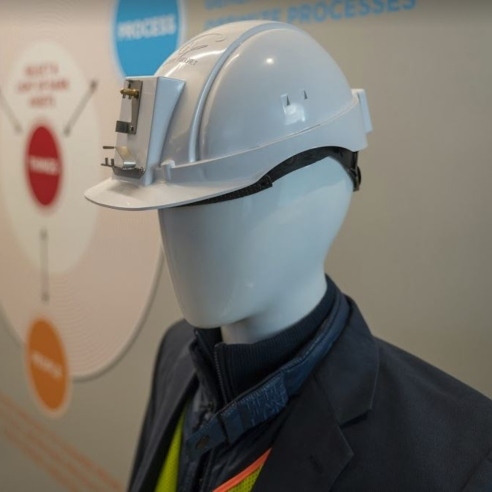
While visiting Microsoft’s Internet of Things (IOT) lab last fall with RT3, we saw smart helmets that could detect impacts and wearable monitors that could track workers’ vital signs such as heart rate and body temperature – valuable information that can let you know when a worker should stop and take a break.
While all of this data can be lifesaving, contractors implementing the use of these devices should be prepared to ensure that their workers’ privacy and data is protected. The good news is that most companies that are providing a technology solution should have the infrastructure in place to make sure that the data is protected, and privacy remains intact. However, as we have seen time and again, data breaches are not uncommon in this day and age.
RT3 member Trent Cotney of Cotney Construction Law said that contractors using new wearable technologies to keep employees out of harm’s way should revise their employee manuals to provide information on how to properly use the wearable technology. Further, contractors should include in employee manuals that the wearable technology will better assist in keeping employees safe, but that it is not a guarantee and the workers should still exercise caution when performing dangerous activities or working in hazardous areas.
The World Wide Web just celebrated its 30th birthday and we have seen so many changes over those 30 years. We’re excited to see what’s coming next and how worker safety will benefit from new, emerging technologies. Stay up to date on the latest news in the industry when you sign up for the RCS Week-in-Review newsletter and the RT3 Smart Brief newsletter.
Recommended For You

RoofersCoffeeShop® Welcomes Westlake Royal Roofing Solutions™!
Read More ...
High Rise of Metal Products in Roofing Industry
Read More ...
Gold Circle Award Winner: Renaissance Roofing Inc.
Read More ...
UP TO THE MINUTE
Comments
Leave a Reply
Have an account? Login to leave a comment!
Sign In