

What are Building Requirements for Good Roof Ventilation?
By Adam Cabrera.
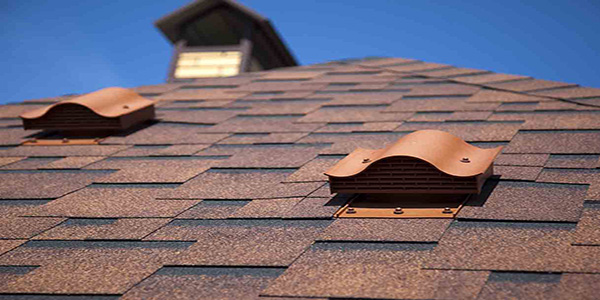
Ventilation in roofing isn't just a matter of preference, it's essential for energy efficiency and the health of a building.
In a recent episode of Roofing Road Trips, host Heidi J. Ellsworth engaged in a thoughtful conversation with Tony Vizzi, regional sales manager for Quarrix, about roof ventilation and how it can best be used.
A well-ventilated roofing system isn't just about adding more ventilation, it's about creating a balance. As Tony emphasized, "The best system is a balance of 50% intake and 50% exhaust. So, that myth of more ventilation is better, I would say that best practice would be a balanced system."
But there are also code requirements and misconceptions around ventilation that should be considered as well. For example, the International Residential Code (IRC) requirements set the standards for roof ventilation but there are also local municipal codes that are bound to be different depending on the area of the country you are in.
“Municipalities are all a little bit different. You live in a moist climate, and then we go to the complete diagonal down into a warm climate like the Southeast, and it's a little bit different. So, the codes are guidelines that municipalities typically follow,” Tony says.
Building codes are also important to know when conducting a ventilation audit. Tony explains that an audit is a calculation that determines how much ventilation is needed to meet building codes. But in a more practical sense, it's a combination of visual assessments and effective communication with homeowners to pinpoint their unique needs.
In a world where energy costs and conservation are a relevant concern for homeowners, a proper evaluation of ventilation needs are a must. "For all of us who pay monthly gas and electric bills, we see the rising costs in finding solutions that lessen those costs. It's critical to our budgets. The planet has a finite supply of energy, and so conserving it where we can makes sense for the globe," he said.
Learn more about Quarrix in their Coffee Shop Directory or visit www.quarrix.com.
About Adam
Adam Cabrera is a writer and podcast producer for the Coffee Shops and AskARoofer™. When he isn't writing about roofs he enjoys camping in the Rocky Mountains, going to concerts and playing music.
Recommended For You

Are You Prepared for OSHA?
Read More ...
Build momentum at the 2026 MCA Summer Meeting
Read More ...
The beauty of roofing apprenticeships
Read More ...
UP TO THE MINUTE




Comments
Leave a Reply
Have an account? Login to leave a comment!
Sign In