
What to know before choosing a roof system

By Jesse Sanchez.
Benchmark’s Roof System Selection Guide outlines key factors commercial roofing professionals should evaluate before choosing a roof system.
Choosing the right commercial roof system is rarely simple, and choosing the wrong one can create costly consequences. From unsafe conditions to premature failure, roof performance depends on how well the system matches the realities of the building’s uses and its environment. Benchmark Inc., a national roof and pavement consulting firm, addresses those variables in its Roof System Selection Guide, an all-inclusive resource designed to help professionals evaluate roof systems with greater clarity. The guide emphasizes that there is no one-size-fits-all solution and urges designers to consider each project on its own terms, including climate, roof access, foot traffic and potential chemical exposure.
The guide states, “Understanding the criteria and factors that will cause the roof system to deteriorate will allow the roof designer to weigh pros and cons of various roof membranes and systems.” The resource examines 16 key attributes that affect roof performance, service life and cost efficiency. Among them is ponding water, which Benchmark identifies as a major concern for long-term durability. Standing water can intensify ultraviolet damage, freeze and thaw during colder seasons and collect hazardous chemicals. The guide also notes, “Many manufacturer warranties specifically exclude damages caused by long-term ponding water (>48-hours).”
Chemical exposure is another important consideration, especially for industrial and food-service facilities. According to the guide, materials such as polyvinyl chloride (PVC), ketone ethylene ester (KEE) and metal can offer stronger resistance to oils and greases. However, Benchmark encourages roof system designers to consult manufacturers early in the planning process.
The guide also highlights the importance of labor availability. Single-ply membranes have become widely used because of ease of installation, factory consistency and a larger available workforce. Still, modified bitumen and built-up roof systems remain viable options, particularly when puncture resistance is a priority.
Throughout the guide, Benchmark frames roof system selection as a balance of benefits and trade-offs. Puncture-resistant systems may be more difficult to install or repair, while reflective membranes may create condensation concerns if vapor drive is not properly addressed. As the guide states, “Every project needs to be carefully examined to determine which roof system will perform best for your situation.”
Learn more about Benchmark’s roof and pavement consulting services!
Learn more about Benchmark in their Coffee Shop Directory or visit www.benchmark-inc.com.
About the author

Jesse is a writer for The Coffee Shops. When he is not writing and learning about the roofing industry, he can be found powerlifting, playing saxophone or reading a good book.
Recommended For You

Gear that keeps crews moving
Read More ...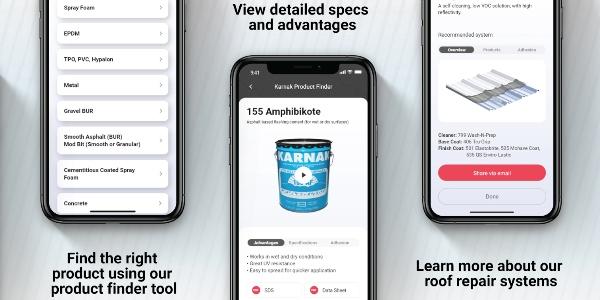
Put products in your pocket with the new mobile app
Read More ...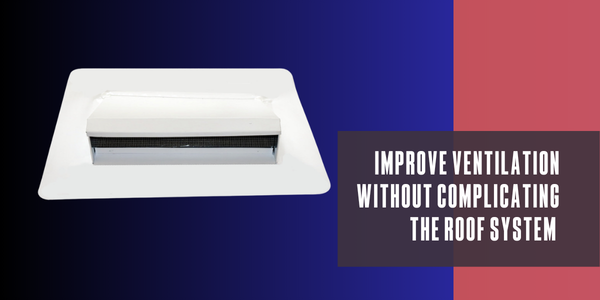
Improve ventilation without complicating the roof system
Read More ...
UP TO THE MINUTE






Comments
Leave a Reply
Have an account? Login to leave a comment!
Sign In