UP TO THE MINUTE






3 types of single-ply
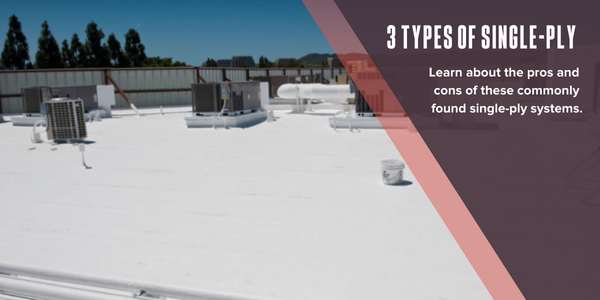
Learn about the pros and cons of these commonly found single-ply systems.
Single-ply roofing has been around for a few decades, first becoming more popular in the 1990s. During that time, there were three types of single-ply that were popular, EPDM, PVC and Hypalon. As time went on, TPO emerged and eclipsed Hypalon in popularity due to its better performance. Today, single-ply is more popular than ever. If you’re interested in getting involved in this sector or improving your existing operations in single-ply, a great resource is our podcast, Understanding Roof Restoration. This series features Greg Hlavaty, Hal Leland and their expert team at Western Colloid. In episode two, they took a deep dive into the three major systems you find in the current market, EPDM, PVC and TPO.
1 - EPDM
EPDM is a ballasted, stretchy material that started gaining popularity in the 1990’s. EPDM is a material that worked well where there isn’t as much sunlight year-round but wasn’t an ideal choice everywhere. Greg explained, “EPDM didn't work well in the west because it's black and black absorbs heat. But it's still used today. It’s not as dominant in the west as it is in the East where they're not as concerned with the cooling of the roof surface.” Hal added, “And they do make them in white now, we're still selling it out here and EPDMs are working pretty well.”
2 - PVC
PVC is another material that started to become popular for roofing in the 1990’s. It was met with a lot of failures at first. Greg shared, “PVC started out with a lot of failures because the PVC, is the same thing, or similar technology to what your PVC pipes are made out of and other plastics. Very good weather proofer except it becomes brittle with age because it has a plasticizer in it.” He continued, “Dominant companies that make PVC developed plasticizers that stayed in the product for the life of the product and kept it flexible instead of getting brittle. And that has become the high-quality, high-performance product and is used throughout the United States from the northeast to the bottom of the southwest.”
3 - TPO
TPO is thermoplastic polyolefin. Hal says that “the deal” with TPO is that it’s a “very inexpensive, very high-performance polymer, but they're having trouble making it consistent or valuable on a sheet.” However, Greg added, “TPO has taken over the market because it can be made in varying thicknesses from a very low-cost economic product to a thicker product.”
Check out the full episode to learn more about these systems!
Learn more about Western Colloid Fluid Applied Roofing and Coating Systems in their Coffee Shop Directory or visit www.westerncolloid.com.
Recommended For You
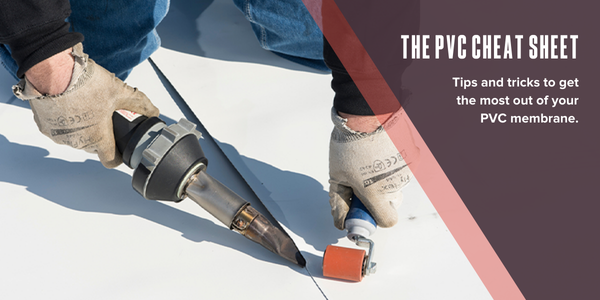
The PVC cheat sheet
Read More ...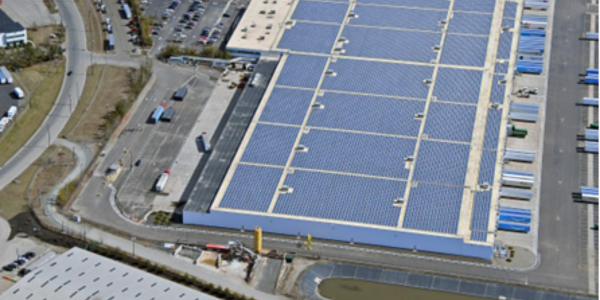
How to install solar panels and utilities to single-ply membrane roofs
Read More ...
Transforming aging roof systems one coating at a time
Read More ...
UP TO THE MINUTE
Comments
Leave a Reply
Have an account? Login to leave a comment!
Sign In