UP TO THE MINUTE






Add Suicide Prevention and Mental Health to Your Toolbox Talks

By Karen L. Edwards, RCS Editor.
According to a report by the Centers for Disease Control the largest number of male suicides occurs in the construction industry.
The topic of mental health has traditionally been off limits but is increasingly becoming more mainstream. In fact, some contractors have begun making mental health and suicide prevention a regular topic in their health and safety toolbox talks.
NPR reported recently on RK, as construction company that has made suicide prevention and mental health a priority. Michelle Brown, construction superintendent at RK, shared with NPR how, five years ago, a co-worker finished his workday by giving his tools away and then going home and killing himself. It was that incident that brought change to RK.
Jon Kinning, RK co-owner, spent the next few months learning from industry leaders and suicide experts. The company now has a model that offers 24-hour access to counseling, lenient leave policies and crisis training for managers. He shared with NPR the change in the company’s culture. "If somebody didn't show up in the past, we'd be like, 'You've got a job to do — get in here,' '' he says. "We've just changed our tone and our culture. I talk about mental health nearly every time I have a group of employees." The company now has mental health as a topic several times a week during its toolbox talks.
Not all the workers are comfortable with all the attention RK focuses on mental health and the managers say it sometimes feels awkward and uncomfortable. Kinning insists that it be a focus telling NPR, "I think it's more important for the greater good to talk about mental health issues." He also says that the company has “….averted probably 15 suicides since 2014….” when the program began.
With suicide being the second leading cause of death for men aged 25-54 in the U.S. and men in high skill and high stakes operations 1.5 times more likely to kill themselves it’s time to consider adding this important topic to your safety talks. If you’re wondering how to get started, the National Action Alliance for Suicide Prevention has compiled a resource titled Construction Industry Blueprint: Suicide Prevention in the Workplace and offers it as a free download. The resource contains checklists, tips for prevention and toolbox talks that you can begin using immediately.
Recommended For You
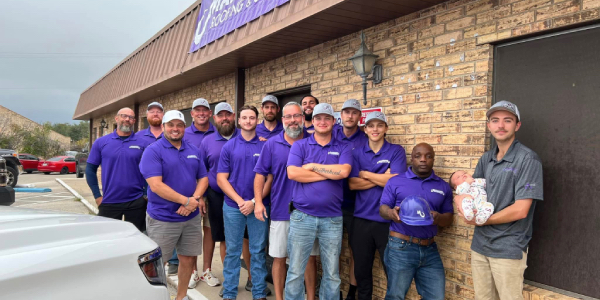
Mammoth Roofing and Solar is the September R-Club Roofer of the Month!
Read More ...
Earth Day 2020 with Solar on Our Minds
Read More ...
Top November Stories: Sustainability, Lumber Prices and the Biden Administration
Read More ...
UP TO THE MINUTE
Comments
Leave a Reply
Have an account? Login to leave a comment!
Sign In