
Building storm-ready cities from the top down
By Jesse Sanchez.
Science-based roofing standards are helping communities reduce storm damage and improve long-term resilience.
Across the United States, communities are confronting a shared and escalating challenge: how to build neighborhoods that can withstand increasingly severe weather. From hurricanes along the Gulf Coast to inland hailstorms and tornadoes, both the frequency and cost of natural disasters are rising, placing sustained pressure on housing systems and public infrastructure. In response, resilience is no longer a secondary consideration; it is becoming a central metric in how cities plan, invest and prepare for the future. Increasingly, that conversation is starting at the top, with the roof, as companies like GAF help drive solutions focused on strengthening residential and community-level performance.
This shift is grounded in both economic and practical realities. According to the U.S. Chamber of Commerce, every dollar invested in storm preparedness can save up to $7 in post-disaster recovery costs. That return is driving policymakers, insurers and homeowners to prioritize proactive solutions that reduce damage before it occurs rather than relying solely on recovery efforts after the fact.
Within that broader movement, the FORTIFIED™ Standard is emerging as a clear framework for improving residential resilience. Developed by the Insurance Institute for Business and Home Safety (IBHS), the program applies decades of scientific research to establish above-code performance requirements for roofing systems. These standards are designed to strengthen a roof’s ability to withstand high winds, heavy rain and hail; conditions that are increasingly common across both coastal and inland markets.
In 2025, GAF announced an alliance with IBHS to expand access to FORTIFIED™ Roof systems nationwide, a move aimed at accelerating adoption and making these protections more widely available. The results of this approach are already evident. After Hurricane Sally struck Alabama in 2020, FORTIFIED™ homes experienced 73% fewer insurance claims and 20% lower loss severity compared to non-FORTIFIED™ homes. Researchers estimate that if all homes in the storm’s path had met the standard, $140 million in damages could have been avoided.
“A stronger roof can prevent damage from cascading from a minor repair to major losses.” “Science shows that resilience works,” says Fred Malik, managing director of FORTIFIED™ at IBHS. “And research clearly shows that resilience works.”
As adoption grows, workforce readiness remains a critical factor. To address this, GAF is investing in contractor training through its Center for the Advancement of Roofing Excellence (CARE) program, equipping roofing professionals with the knowledge and skills required to install FORTIFIED™ systems at scale.
“Contractors who go through this program are investing in the safety of their communities,” said Mike Thomas, Director of External Learning and Development, Storm Restoration at GAF. “Through this training and our product offerings, we are raising the bar for roofing standards nationwide and expanding access to IBHS' FORTIFIED™ solutions that deliver roofs designed to be stronger and more durable against severe weather.”
As cities continue to evaluate long-term resilience strategies, roofing is emerging as one of the most practical and scalable points of intervention. When roofs perform as intended, damage is contained, recovery timelines shorten and communities remain more stable; reinforcing a broader industry understanding that resilience begins with the fundamentals.
Learn more about GAF in their Coffee Shops Directory or visit www.GAF.com.
About the author

Jesse is a writer for The Coffee Shops. When he is not writing and learning about the roofing industry, he can be found powerlifting, playing saxophone or reading a good book.
Recommended For You
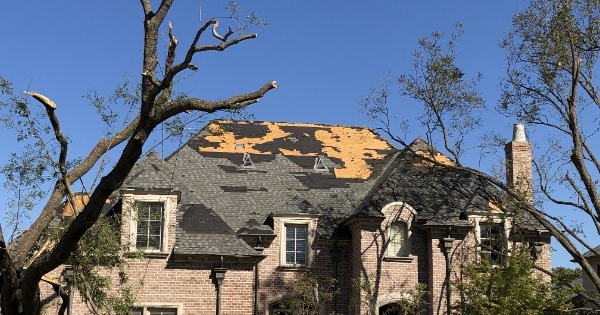
DECRA Metal Roofs Offer the Best Protection Against Tornadoes
Read More ...
The Force is Strong with El Niño Returning This Summer
Read More ...
Take the Heat off Your Workers This Summer
Read More ...
UP TO THE MINUTE






Comments
Leave a Reply
Have an account? Login to leave a comment!
Sign In