UP TO THE MINUTE







Cracking the code on foam insulation
By Hunter Panels.
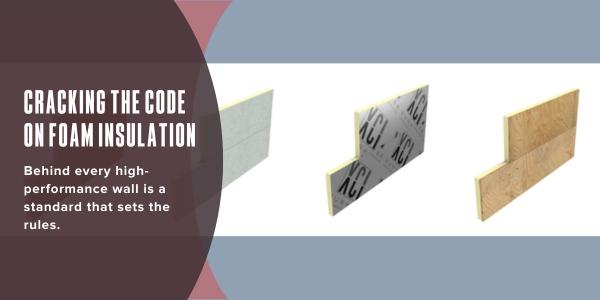
Behind every high-performance wall is a code-compliant design.
When you see a wall packed with polyiso foam insulation from manufacturers like Hunter Panels, you're looking at more than just energy efficiency, you're looking at a component that was carefully crafted for code compliance. At the center of that compliance is ASTM C1289, a standard that manufacturers can’t ignore and most professionals should understand. But unless you're deep in the construction world, the types, classes and grades of polyiso foam might as well be alphabet soup. Here's what those letters and numbers really mean and why they matter on every job site.
Type
Refers to the facer material that is bonded to the foam. Below is a list of common types of facers used in the commercial wall market.
Type, description
- I, Foil Facer
- II, Glass Mat Faced
- V, Plywood or OSB on one side, Fibrous Felt or Glass Mat on the other side.
Class for type I materials
For foil faced polyiso the “Class” designation refers to whether or not the foam core is glass fiber reinforced.
Class, description
- 1, Non-Reinforced Foam Core
- 2, Glass Fiber Reinforced Foam Core or Non-Reinforced Foam Core
Class for type II materials
For glass mat faced polyiso the “Class” designation refers to the material used in conjunction with the glass mat. Currently, all Type II polyiso products for commercial wall applications fall into the Class 2 category.
Class, description
- 1, Glass Fiber Reinforced Felt Mat both sides
- 2, Polymer Bonded Glass Fiber Mat both sides, Coated Glass
- 3, Glass Mat Only both sides
Grade
Refers to the product’s compressive strength for permeable faced products. Compressive strength is reported in terms of PSI. Several polyiso products are available in multiple grades
Grade, description
- 1, 16psi min
- 2, 20psi min (Standard for most Hunter Xci products)
- 3, 25psi min
Original article and photo source: Hunter Panels
Learn more about Hunter Panels in their Coffee Shop Directory or visit www.hunterpanels.com.
Recommended For You
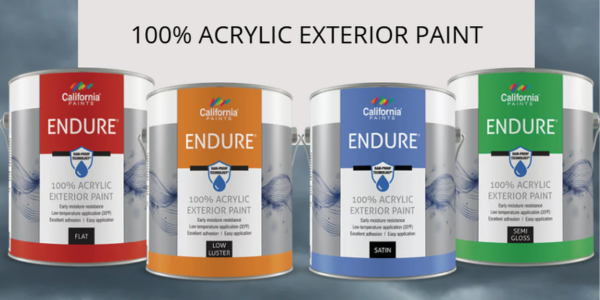
Peace of mind, rain or shine
Read More ...
Latest Updates and Ventures S-5!®
Read More ...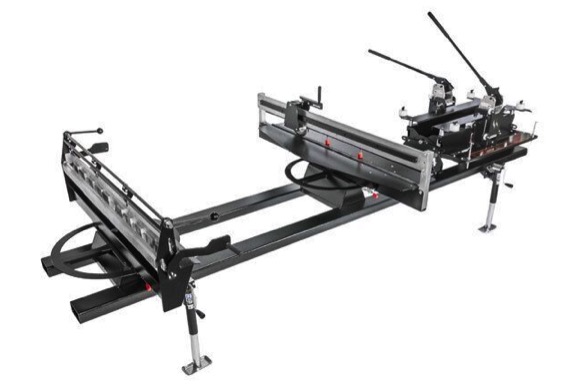
Product Review – SnapTable
Read More ...
UP TO THE MINUTE

Comments
Leave a Reply
Have an account? Login to leave a comment!
Sign In