UP TO THE MINUTE






Foam versus screws: What’s the best bet for tile roofs?

By Eagle Roofing Products.
The way a roof is fastened could be the difference between weathering the next storm — or replacing it after.
Editor’s note: Share this information with your customers.
When it comes to installing concrete tile roofs, not all fastening methods are created equal. And if you have a choice between foam or screws, it’s not just about budget — it’s about performance, code compliance and peace of mind. Eagle Roofing Products knows that as storms intensify and building codes tighten, understanding how your roof is secured has never been more important. Our experts have compiled what you should know about each fastening system so you can make an informed decision.
Foam
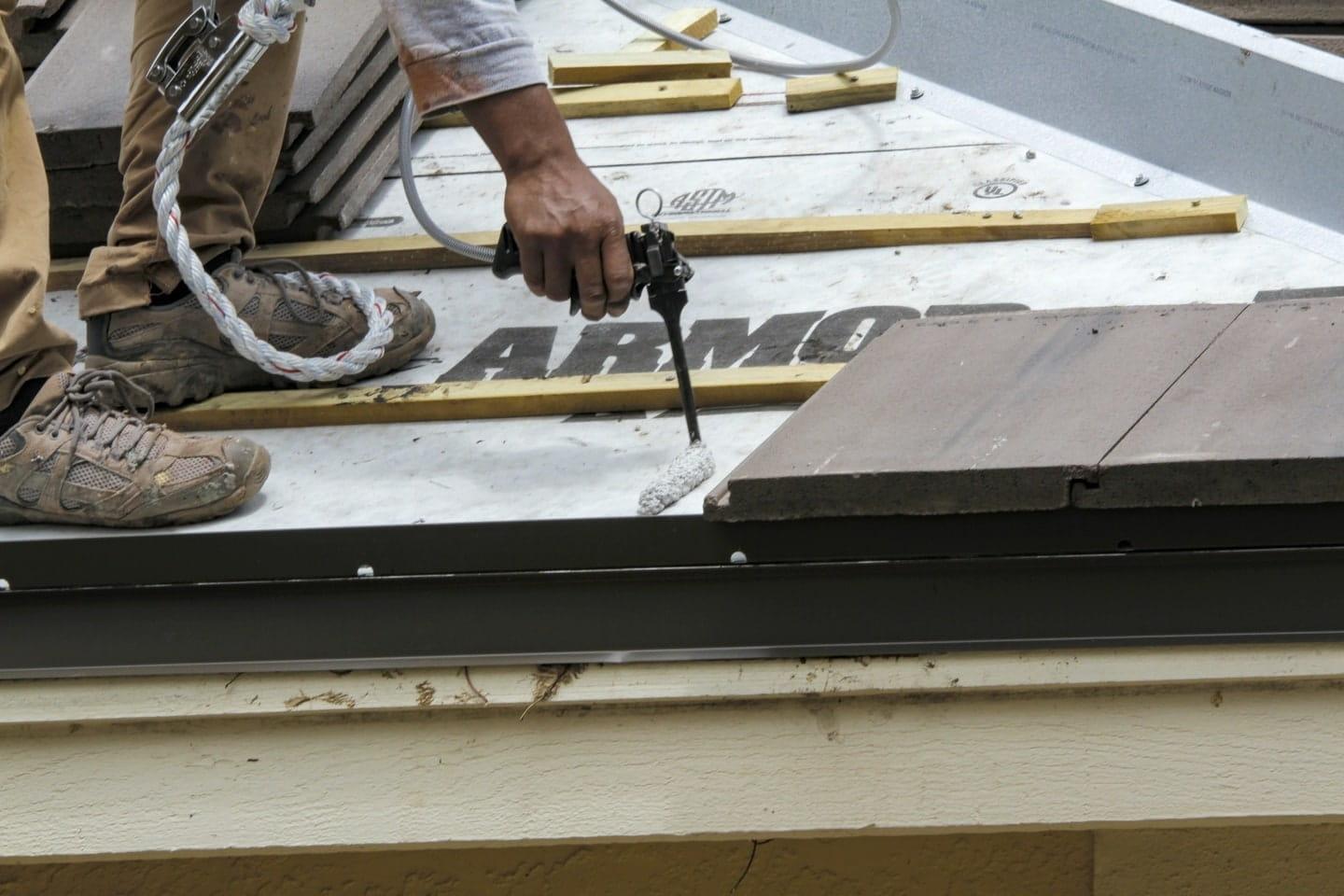
Foam is a lightweight fastening option that provides strong adhesion without penetrating the roof and facilitates greater walkability on the roof due to the “cushion” that the foam paddy provides. This also lessens the risk of cracked tiles.
While wind resistance is improved using foam, it is a more expensive alternative to screws and nails and some building codes do require that the first row of tiles is mechanically fastened as well. This is because tile roofs tend to fail around the perimeter where wind uplift is more severe.
Mechanical fasteners
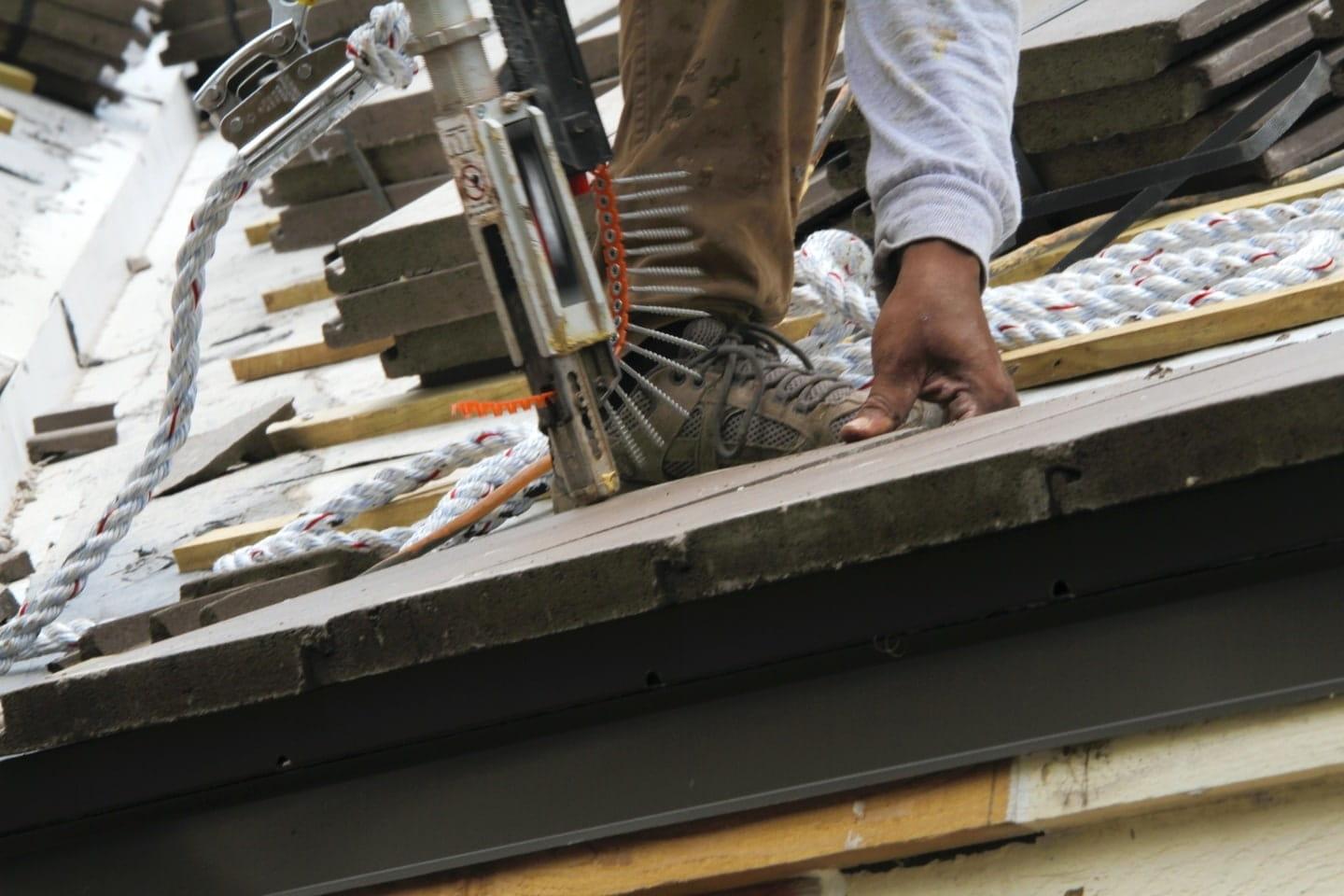
A less costly option, screws or nails are commonly used to fasten concrete roof tiles to the roof decking. The decision of which should be used for your specific project will be made by your roofing contractor as this is also dependent upon the wind exposure.
Compared to nails, screws have the advantage of not backing out and have stronger holding abilities. Screws also self-seal as they’re driven down through the decking and underlayment.
Hybrid roof system
Applicable to all concrete roof tile profiles, a Hybrid Roof System is achieved using both single-component polyurethane roof tile adhesive and mechanical fasteners, such as screws. The use of these in conjunction with one another creates a significant increase in uplift resistance when compared to either of them being installed independently. Tests also show that this roof system produces wind uplift values that are nearly as high as a two-part foam adhesive application, but at a lower cost and with an easier, faster installation.
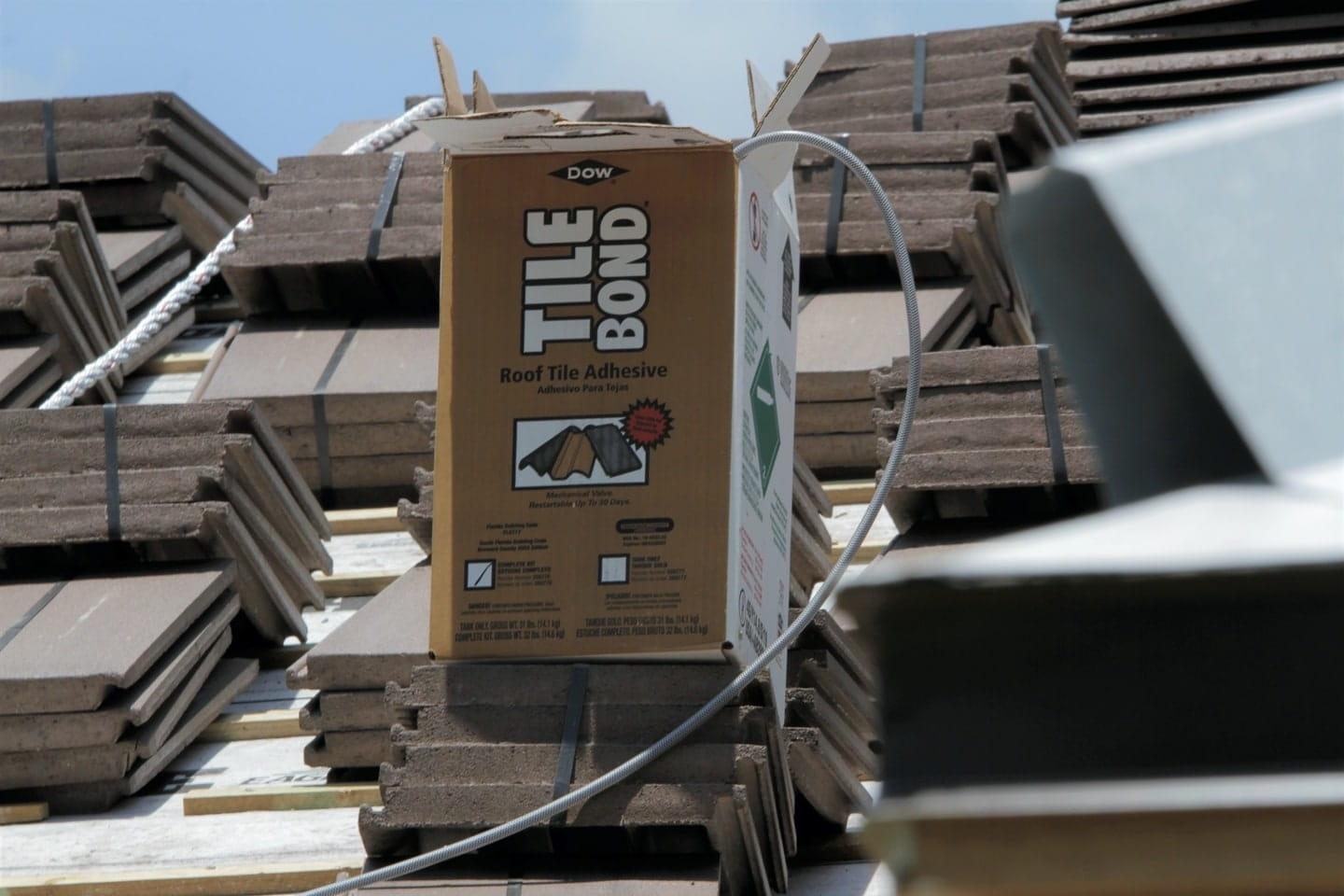
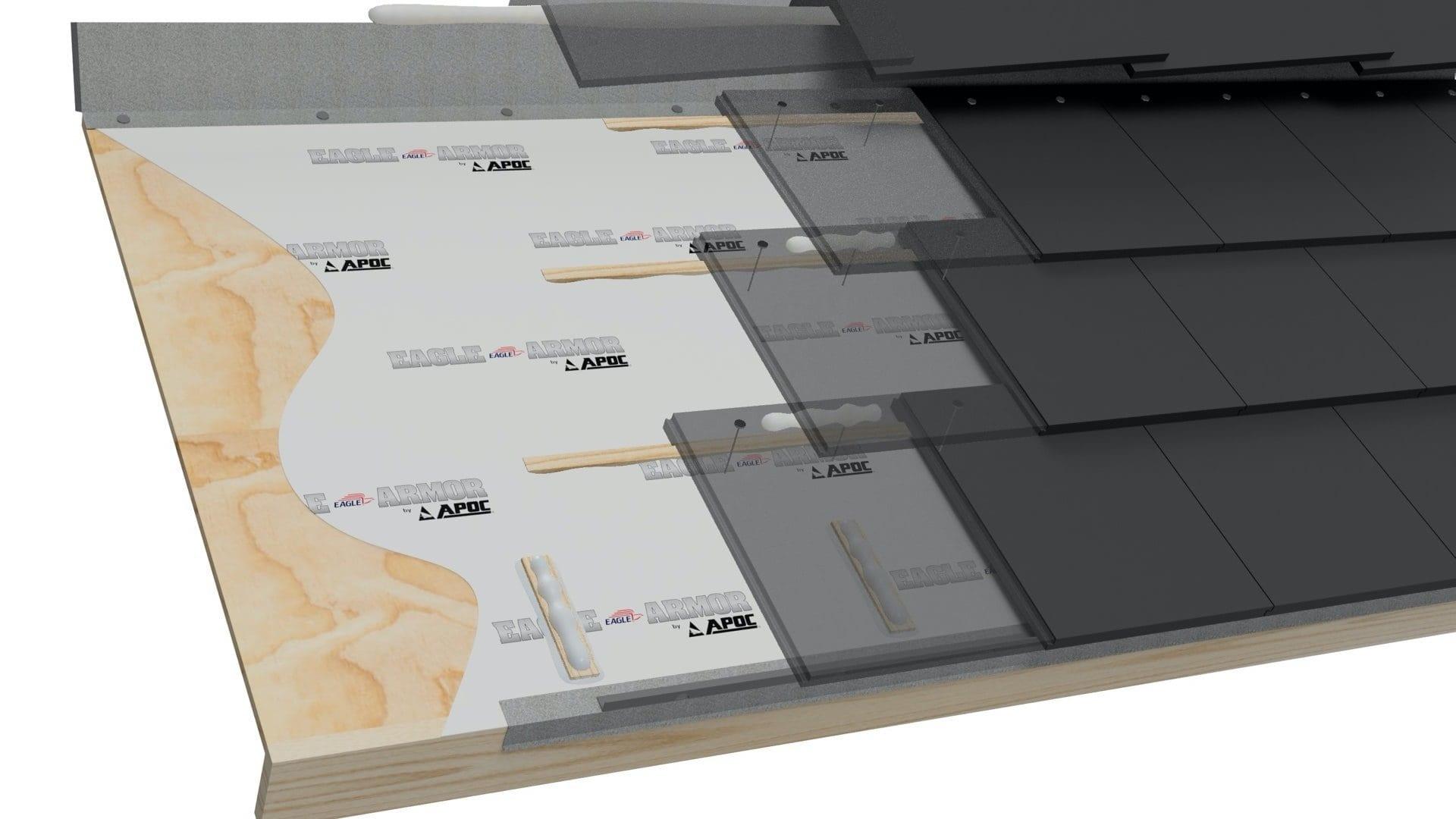
To achieve this optimal installation method, consider the Dual Fix Hybrid System in Eagle’s Secure Roof Components line, which combines tile screws and Tile Bond™ Roof Adhesive. The result is incredible wind uplift resistance and maximum durability for greater protection against the elements, granting you peace of mind for years to come.
Original article and photo source: Eagle Roofing Products
Learn more about Eagle Roofing Products in their Coffee Shop Directory or visit www.eagleroofing.com.
Recommended For You
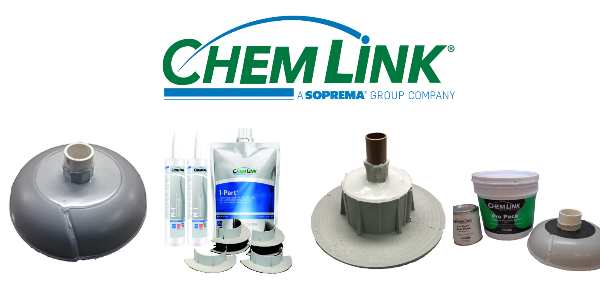
Seal the Deal With One of These Roof Sealant Systems
Read More ...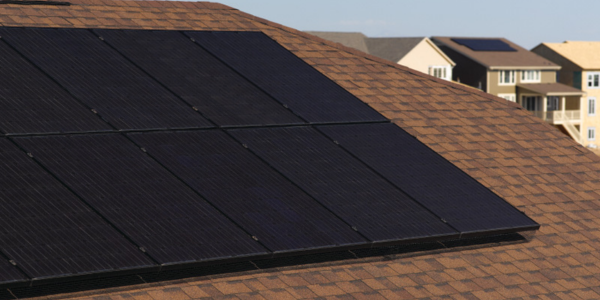
CertainTeed expands solar leadership with Solstice™ Mounting System, delivering a fully integrated roofing and solar solution
Read More ...
Sell more squares with Elevate's UltraPly TPO SA roofing system
Read More ...
UP TO THE MINUTE

Comments
Leave a Reply
Have an account? Login to leave a comment!
Sign In