UP TO THE MINUTE






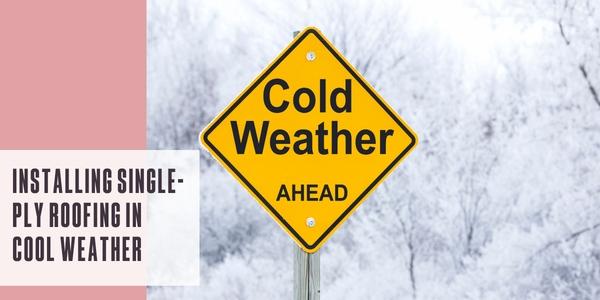
Installing single-ply roofing in cool weather
By Jesse Sanchez.
Learn how contractors can successfully install single-ply roofing systems when temperatures fall below 40°F.
The arrival of colder weather does not necessarily mean roofing work must stop. Industry guidance from GAF indicates that single-ply systems such as EverGuard® TPO and PVC can still be installed successfully during cooler conditions, provided contractors plan carefully and follow manufacturer recommendations designed for cold-weather applications.
In roofing, cool weather installation generally refers to ambient temperatures below 40°F (4.4°C). Yet temperature alone does not determine whether a project can move forward. Contractors must also evaluate jobsite conditions such as wind chill, surface temperature, humidity, precipitation and the level of sun exposure throughout the day. These factors collectively influence how roofing materials behave during installation and ultimately affect the quality of the finished system.
Because colder environments introduce additional risks, thorough planning becomes a critical part of the process. One important step is structuring the work schedule so crews can complete each section of the roof during a single work period. Leaving areas partially finished overnight can expose materials to moisture or freezing conditions, increasing the potential for membrane wrinkling, adhesion failures, poor welds and blistering.
Proper material handling is equally important as temperatures decline. Water-based products must be stored in warm conditions to prevent freezing, while solvent-based adhesives must reach specific temperature thresholds before they can perform as intended. Contractors may rely on heat blankets or temperature-controlled storage to maintain those conditions. Membranes should also remain in controlled storage until installation because thermoplastic materials become stiffer in cold weather, making them more difficult to unroll and position on the roof.
Installation practices may also require adjustment in cooler conditions. Lower temperatures often require slower welder speeds so equipment can deliver sufficient heat to create durable seams. Because weather conditions can change throughout the day, crews should perform field test welds regularly to confirm proper equipment settings. Routine quality checks, including probing seams and conducting end-of-day inspections, help verify that the system is performing as expected.
Worker safety is another important consideration. Cold environments can expose crews to cold stress, making proper protective clothing, portable heaters and designated warming areas essential parts of the jobsite plan.
For contractors determining whether a project can proceed in cooler conditions, GAF Design Services provides technical support and resources to help evaluate building needs and guide installation decisions.
Best practices for cool weather application
In an article by GAF, they share best practice recommendations for cool weather application that can help contractors achieve a quality installation in temperatures below 40°F. Here are some key components to keep in mind:
- Membrane storage. By leaving membrane rolls in storage until ready to install, they will remain more flexible and easier to work with.
- Seam welding settings. Outdoor conditions play a big role in your welder settings. Lower air temperatures will typically require slower speed settings, allowing the welder to deliver the additional heat energy needed to compensate for the cooler conditions. Hand welders will require consideration and adjustment for cooler temperatures.
- Field test welds. Field test welds are critical to finding the correct settings for your welders. Conditions and temperatures can change throughout the day, so test welds will need to be done several times per day. Always test in the morning before work begins, after any extended breaks, and after any changes in the weather, such as a change in wind speed or temperature. Daily quality control checks should be done, including probing and checking seams at the end of the workday.
- Adhesives, sealants and primers. Lower temperatures mean these products will take longer to flash off and dry. Also, be aware of the "working time" for solvent-based spray adhesives. The working time is the time between flash off and when the adhesive no longer has any tack. In cooler weather, the working time of solvent-based spray adhesives can diminish significantly. As such, always store these products in warmer temperatures and leave them stored until ready to use. Make sure to bring them up to and maintain the manufacturer's recommended temperature using heat boxes or heat blankets before use and during use, if necessary.
- Fasteners. When installing EverGuard® TPO and PVC in temperatures below 40°F using fasteners, wrinkles may form due to the expansion and contraction caused by temperature fluctuations. GAF advises that wrinkles less than one inch high when pressed together typically won't affect the integrity of the system. It's recommended to perform test welds throughout the day to ensure the settings on your RhinoBond® induction tool are correct.
Learn more about GAF in their Coffee Shops Directory or visit www.GAF.com.
About the author

Jesse is a writer for The Coffee Shops. When he is not writing and learning about the roofing industry, he can be found powerlifting, playing saxophone or reading a good book.
Recommended For You

75 years strong: A legacy of innovation and excellence
Read More ...
Contractors’ best friend
Read More ...
Top 4 Pieces of Construction Equipment to Make Your Next Job Easier
Read More ...
UP TO THE MINUTE

Comments
Leave a Reply
Have an account? Login to leave a comment!
Sign In