UP TO THE MINUTE






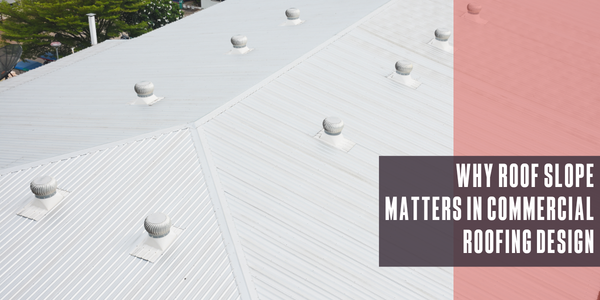
Why roof slope matters in commercial roofing design
By The Coffee Shops™.
Proper slope design helps improve drainage, energy efficiency and long-term roof performance.
In the article “Understanding the Maximum Slope of Commercial Roofing Systems With Polyiso Insulation Products,” Hunter Panels highlights how roof slope design impacts drainage, system performance and long-term durability in commercial roofing applications. For roofing contractors, consultants and specifiers, understanding the relationship between slope and polyiso insulation is critical to meeting code requirements while improving building performance.
According to Hunter Panels, commercial roofing systems are commonly designed with low-slope configurations, but “low-slope” does not mean flat. Industry standards and building codes typically require positive drainage to help prevent ponding water, which can shorten roof lifespan and increase the risk of leaks and structural issues. Tapered polyiso insulation systems play a major role in creating that drainage while also delivering thermal efficiency.
The article explains that tapered polyiso insulation can be manufactured in a variety of slopes, including 1/8-inch, 1/4-inch and 1/2-inch per foot, allowing contractors to tailor systems based on project conditions and code requirements. While 1/4-inch-per-foot slope is often considered the industry standard for new construction, retrofit projects may require different approaches because of parapet heights, rooftop equipment or existing structural limitations.
Hunter Panels also emphasizes that proper slope planning is about more than drainage alone. Tapered insulation systems can help improve energy efficiency, reduce long-term maintenance concerns and support more consistent membrane performance over time. Polyiso insulation remains one of the most widely used insulation materials in commercial roofing because of its strong thermal performance and compatibility with multiple roofing assemblies.
The article further notes that tapered systems can incorporate pre-manufactured sumps, hips and valleys to simplify installation and improve water management around drains and transitions. These design elements can reduce field fabrication time while helping crews maintain consistent drainage patterns across the roof system.
For trade professionals, understanding how slope design interacts with insulation thickness, drainage requirements and system performance is increasingly important as building codes and energy standards continue to evolve.
Read the full article on Hunter Panels’ blog to learn more about polyiso insulation!
Learn more about Hunter Panels in their Coffee Shop Directory or visit www.hunterpanels.com.
Recommended For You

Western States Metal Roofing to showcase latest products and connect with contractors at WRE 2026
Read More ...
Why metal is gaining ground with developers
Read More ...
Meet the Multi-purpose Underlayment That Can Stand the Heat
Read More ...
UP TO THE MINUTE
Comments
Leave a Reply
Have an account? Login to leave a comment!
Sign In