UP TO THE MINUTE






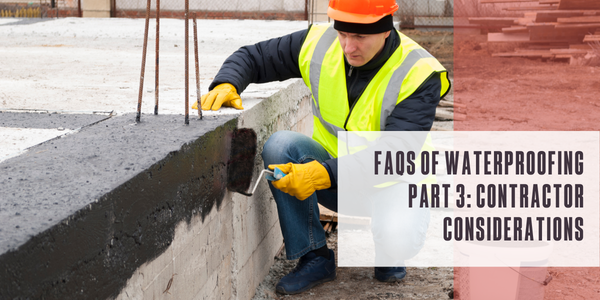
FAQS of waterproofing part 3: Contractor considerations
By Emma Peterson.
The final part of Pli-Dek’s waterproofing FAQ series examines the decisions and processes that enable contractors to complete high-performance waterproofing projects.
In our third and final installment of the Pli-Dek FAQs (frequently asked questions) of waterproofing series, we dive into project organization and management tips for waterproofing professionals. Not only will the answers and advice in this article help contractors interested in expanding into the waterproofing market decide if it’s a good fit for their crew, but it also can help professionals already in the field improve their operations.
Why is professional installation important?
Waterproofing performance depends on preparation, application and detailing. Trained installers understand how to address transitions, drainage points and other vulnerable areas that may not be obvious once the finished surface is complete.
How do I know whether a deck needs repairs or a complete replacement?
The answer depends on the condition of the substrate, framing, flashing and existing surface. Minor wear may require maintenance or resurfacing, while widespread moisture damage, rot or structural deterioration may require more extensive repairs.
Can waterproofing be added during a renovation?
Yes, depending on the condition of the existing deck. The surface must be inspected for damage, moisture, movement and adhesion concerns before a new waterproofing assembly is installed.
How can architects and contractors reduce waterproofing risks during design?
Waterproofing should be considered early in the design process. Planning for slope, drainage, flashing, transitions, penetrations and compatible materials can help prevent conflicts and reduce the likelihood of leaks after construction.
How can contractors reduce waterproofing callbacks?
Callbacks are often connected to incomplete detailing, improper preparation or missed transition areas. Following current installation requirements and treating the deck as a complete assembly can help improve consistency and reduce future leak concerns.
Make sure to read the other articles in this series! In the previous installments, we dove into best practices for water management as well as the role of a waterproofing system in protecting structures from environmental elements.
Still have questions after finishing the entire FAQs of waterproofing series? Contact Pli-Dek to get more assistance and information.
Learn more about Pli-Dek in their Coffee Shop Directory or visit www.Pli-Dek.com.
About the author

Emma is the senior content developer at The Coffee Shops and AskARoofer™. When she's not working or overthinking everything a little bit, she enjoys watching movies with friends, attending concerts and trying to cook new recipes.
Recommended For You

Join over 70,000 professionals at NAHB’s International Builders’ Show
Read More ...
FAQS of waterproofing part 2: Environmental factors
Read More ...
Cotney and RoofersCoffeeShop® Show Us the Power of Podcasts in New Webinar
Read More ...
UP TO THE MINUTE
Comments
Leave a Reply
Have an account? Login to leave a comment!
Sign In