UP TO THE MINUTE



Gain margins and control the jobsite with rollformers
By Jenny Yu.
Understanding panel profiles, production needs and equipment configurations can help contractors make informed equipment investments.
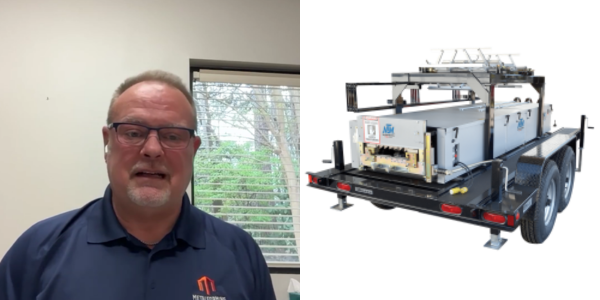
In a recent Lunch & Learn titled “How to Choose the Right Rollformer,” Karen Edwards spoke with MetalForming (MF) Business Development Director Chad Rowe about the factors contractors should consider when choosing between portable and in-plant rollforming systems.
Chad explained that the decision should come down to a contractor’s operational goals, production volume and the types of panels being produced. Portable systems are commonly used for concealed fastener and standing seam profiles while in-plant systems are better suited for wider through-fastened panels.
Portable rollforming can reduce the risk of damage to panels during transportation and allows contractors to produce long panels directly on-site. “The biggest benefit of onsite production is that concealed fastener profiles are very difficult and labor-intensive to package,” Chad said. “The ability to take a rollformer to a site and be able to produce panels saves a lot of time and labor while reducing the risk of damaging those panels.”
Portable rollformers do have some size and weight limitations that can make in-plant rollformers the preferred choice. “In-plant rollformers are designed in such a manner that they are forming from the center of the material out to the edges, and those rollformers are typically somewhere in the 16 to 20 station passes, whereas a portable roll farmer as typically in the 10 to 12,” Chad explained.
Ultimately, owning either an in-plant or portable rollformer offers contractors greater control over scheduling and material handling. “It’s really about controlling the jobsite. You can get finished with your job sooner,” Chad said. “You also gain margin from purchasing your own coils and producing those panels yourself.”
Finally, the Lunch & Learn explored the continued growth of the metal roofing market, driven by expanded finish options, improved durability and changing insurance requirements in storm-prone regions. Chad expressed, “The quality has gone up, and we’ve closed that price gap.”
Learn more about MetalForming LLC in their Coffee Shop Directory or visit www.metalforming-usa.com.
About the author

Jenny Yu is a writer for The Coffee Shops™. When she's not writing, she loves visiting cozy coffee shops & bookstores, playing basketball, learning about oral history and spending time with loved ones.
Recommended For You
How roofing contractors can adapt to a tighter market
Read More ...
Coatings, climate and construction in the Caribbean
Read More ...
Turning disconnected roofing data into better decisions
Read More ...
UP TO THE MINUTE
Comments
Leave a Reply
Have an account? Login to leave a comment!
Sign In