UP TO THE MINUTE






How Technology Elevates Workplace Safety

By Cotney Consulting Group.
Today, integrating technology into construction processes is not just an option but necessary to ensure a safer work environment.
Unfortunately, while crucial for global development, the construction industry tops the charts in workplace injuries and fatalities. Safety, therefore, is paramount. This article dives deep into how construction technology is reshaping safety measures.
Transition to digital safety measures
Traditional paper-based safety protocols are gradually becoming obsolete. Now, several contractors are opting for digitized safety processes. Gone are the days of sifting through piles of paperwork, from checklists to safety reports. Instead, cloud-based mobile applications make upholding safety standards more manageable and efficient. Labor-intensive management systems necessary for high-risk operations like roofing are now seamlessly managed digitally, ensuring safety protocols are maintained from start to finish. The digital process enhances accountability traceability and verifies the qualifications of workers.
Digital safety training
A staggering 90% of worksite accidents are attributed to unsafe environments, often resulting from inadequate safety training or lack of awareness. Although safety protocols might be in place, ensuring that every worker is well-informed is challenging. Here, digital content steps in. Virtual training modules ensure that all workers have consistent access to safety information, reducing potential risks.
Wearable technology
Wearable technology is becoming a safety staple, from smartwatches monitoring vital signs to smart vests acting like airbags. These devices can:
- Provide real-time updates to remote staff, reducing risks
- Mitigate heavy lifting injuries
- Detect harmful gases like carbon monoxide
- Enhance training through augmented and virtual reality
Leveraging data analytics
Artificial intelligence (AI) is making inroads into the construction sector, enabling companies to analyze past safety data to predict future risks. Understanding patterns in previous data sets makes it possible to preempt potential hazards, creating a safer workspace.
Drones - A bird’s eye safety check
Drones have rapidly become an invaluable safety tool in construction. Their ability to navigate great heights, provide a detailed view of confined spaces, check work quality, and monitor site conditions ensures that safety protocols are maintained. They have transformed how inspections are conducted, especially in challenging terrains or heights, allowing safe remote monitoring.
Additional safety technological measures
- Real-time data and communication: For workers in remote areas, real-time communication tools provide safety updates, ensuring they remain protected even in isolated locations.
- Safety apps: Cloud-based applications provide instant access to health and safety checklists, hazard identifications and emergency protocols, ensuring a proactive safety approach.
- 3D visualization: This technology offers a lifelike representation of workspaces, allowing workers to familiarize themselves with potential hazards and necessary precautions before even setting foot on-site.
- Virtual reality (VR) training: Immersive VR environments expose workers to high-risk scenarios in safe settings. This experiential training methodology often proves more effective than traditional methods.
In conclusion, safety remains paramount as the construction industry continues to evolve. Thankfully, technology is playing an instrumental role in enhancing workplace safety. The rise of digital platforms, wearable tech, AI-driven analytics and drones showcases a brighter, safer future for construction professionals worldwide. As industries recognize the undeniable link between employee well-being, safety and productivity, it becomes clear that a safe worker is productive.
Learn more about Cotney Consulting Group in their Coffee Shop Directory or visit www.cotneyconsulting.com.
Recommended For You
Worn tires, real risks: Why contractors can't afford to ignore tire safety
Read More ...
Four Tips to Reduce Falls in Residential Re-Roofing
Read More ...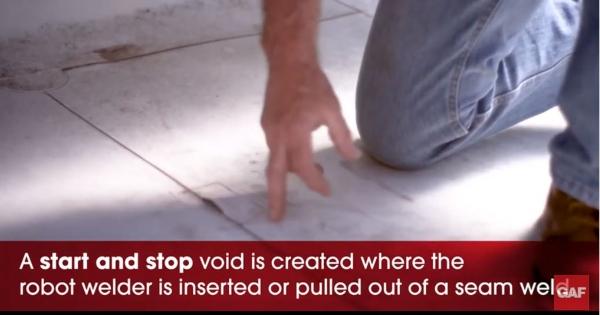
Low-Slope Roofing Mistake No. 3: Welding Start-and-stop Voids
Read More ...
UP TO THE MINUTE
Comments
Leave a Reply
Have an account? Login to leave a comment!
Sign In