UP TO THE MINUTE






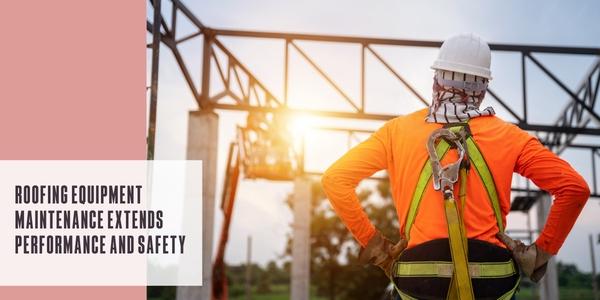
Roofing equipment maintenance extends performance and safety
By Jesse Sanchez.
A consistent maintenance routine helps contractors reduce downtime, improve efficiency and protect crews on the job.
Maintaining roofing equipment is not just a matter of upkeep; it is a direct driver of jobsite performance, safety and long-term cost control. For contractors operating in demanding environments, companies like Steve Garlock Equipment emphasize that a structured maintenance approach becomes essential to sustaining reliable operations as weather conditions accelerate wear.
That process begins with routine cleaning, which serves as the foundation for all other maintenance efforts. Roofing equipment, including roof cutters and membrane welders, is constantly exposed to debris, dust and tar buildup that can degrade performance over time. Clearing these materials after each use does more than preserve functionality; it prevents accumulation that can strain components, reduce efficiency and lead to avoidable repairs.
Once equipment is clean, lubrication becomes the next critical step in protecting moving parts. Consistent use of the correct lubricants reduces friction, minimizes wear and ensures smoother operation under demanding conditions. Lighter machine oils help maintain precision in cutting equipment. Together, these measures extend the usable life of tools that contractors rely on daily.
Regular inspections reinforce both cleaning and lubrication by introducing a layer of accountability and early detection. Identifying loose components, corrosion or signs of damage allows contractors to intervene before minor issues develop into safety risks or operational delays. This is especially important for roof cutters, where blade sharpness and alignment directly influence both efficiency and worker safety.
Attention must also extend to specialized equipment. Deck scrapers require routine checks for blade condition and handle integrity to ensure consistent performance, while membrane welders depend on properly calibrated temperature and speed settings to maintain seam quality and prevent overheating.
Supporting all of these efforts is thorough documentation. Detailed maintenance records create a clear operational history, helping contractors track service intervals, manage warranties and maintain consistency across crews and projects.
Even with disciplined in-house practices, professional servicing remains an important safeguard. Scheduled evaluations by qualified technicians ensure that complex systems, particularly hydraulic and electrical components, continue to operate as intended.
Together, these practices establish a proactive maintenance strategy that reduces downtime, strengthens jobsite safety and protects the long-term value of roofing equipment.
Learn more about Steve Garlock Equipment in their Coffee Shop Directory or visit stevegarlockequip.com.
About the author

Jesse is a writer for The Coffee Shops. When he is not writing and learning about the roofing industry, he can be found powerlifting, playing saxophone or reading a good book.
Recommended For You

Determining if it’s Too Cold Outside to Roof
Read More ...
OSHA’s Heat Illness Prevention Efforts
Read More ...
Protecting what matter most: Roofing professional’s safety
Read More ...
UP TO THE MINUTE
Comments
Leave a Reply
Have an account? Login to leave a comment!
Sign In