UP TO THE MINUTE




Sustainability in roofing: How fluid-applied systems reduce environmental impact
By FAR.
The FAR System is a forward-thinking solution that helps you grow your business while advancing environmental responsibility.
Sustainability has become essential for building owners and a distinct advantage for roofing contractors. As environmental awareness grows, clients want roofing solutions that support their green initiatives without sacrificing performance. Fluid-applied roofing systems are meeting this demand, offering a practical way to minimize environmental impact while reliably protecting commercial buildings.
Fluid-applied systems provide more than leak-proof protection — they shift roofing from a cycle of costly tear-offs to a sustainable, restorative approach. By embracing these benefits, you set your business apart as a forward-thinking industry leader.
Reducing landfill waste through restoration
One of the biggest environmental challenges in roofing is the amount of waste sent to landfills during traditional roof replacements. Tear-offs produce tons of debris from materials like EPDM, TPO and modified bitumen, accounting for a large share of construction waste and squandering the energy invested in those products.
Fluid-applied systems address this challenge head-on. By preserving rather than replacing a roof, you avoid tear-offs and use the existing substrate as the base for a new, seamless membrane. This greatly reduces waste, lowers disposal costs and limits disruption.
Extending roof lifespan indefinitely
Maximizing the lifespan of existing roofs is central to sustainability, and fluid-applied systems excel by shielding the roof from UV, moisture and chemicals that cause deterioration. Applied properly, these membranes act as a durable barrier, significantly slowing the aging process and preserving the original roof structure.
Unlike traditional roofing materials, fluid-applied systems are renewable. When the top coat weathers over time, it can be cleaned and recoated — extending roof life and deferring costly, wasteful replacements. This ongoing maintenance cycle delivers a faster, less disruptive and more cost-effective solution.
Improving energy efficiency with cool roof technology
Energy use is a significant concern for building owners, and the roof’s role in thermal performance can’t be overstated. Dark roofs absorb and trap heat, raising interior temperatures and increasing HVAC demands. This effect, known as the heat island effect, leads to higher energy costs and more carbon emissions.
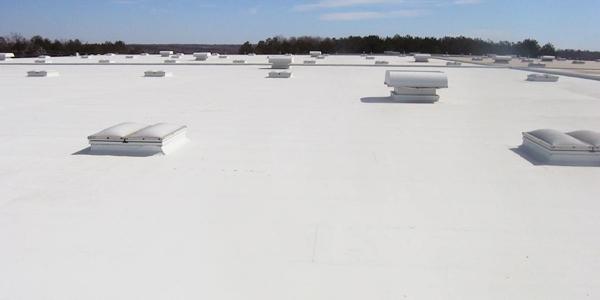
Many fluid-applied systems use cool roof technology — highly reflective white or light-colored coatings that bounce up to 85% of solar radiation. By keeping roof surfaces up to 50–70°F cooler, these systems lower interior temperatures, ease HVAC demands and can cut cooling costs by 15–30%.
The FAR System: A commitment to sustainable roofing
The FAR System is engineered for both sustainability and performance, offering a comprehensive solution that supports the environmental and economic goals of today’s building owners.
Built on preservation over replacement, the FAR System creates a seamless membrane over existing roofs, preventing tons of roofing waste from reaching landfills. This method benefits the environment while transforming the roof from a disposable asset into a durable, long-term investment for your customers.
The FAR System’s highly reflective coatings help turn heat-absorbing roofs into energy-saving assets, reducing carbon footprint and operating costs. Its renewable design means roofs can be maintained and recoated for decades, delivering lasting sustainability.
For contractors, The FAR System isn’t just another service — it’s a forward-thinking, sustainable solution that helps you grow your business while advancing environmental responsibility.
Learn more about Fluid Applied Roofing (FAR) in their Coffee Shop directory or visit https://fluidappliedroofing.com/.
Recommended For You

Small Steps to Take When Getting Into Solar
Read More ...
A sustainable choice that’s built to last
Read More ...
Investing in energy efficiency
Read More ...
UP TO THE MINUTE
Comments
Leave a Reply
Have an account? Login to leave a comment!
Sign In