UP TO THE MINUTE






A remedy for aging infrastructure
By Greenwood Industries.
Reroofing and historic preservation for building envelopes.
Nearly half of all U.S. commercial buildings were constructed before 1980, and many are now reaching a point where major systems require replacement or restoration. As these systems age, roof assemblies, masonry façades and waterproofing systems that have performed for decades begin to show signs of fatigue, deterioration and water intrusion.
For facility teams, the challenge is not just identifying these issues. It is determining how to address them in a way that balances performance, cost and, in many cases, historic integrity.
Reroofing and restoration projects are no longer isolated scopes. They require a coordinated approach to the entire building envelope to ensure long-term performance.
What happens when systems age
Over time, building materials are exposed to repeated freeze-thaw cycles, UV degradation and moisture infiltration. These conditions gradually weaken roofing membranes, flashing details, sealants and masonry joints.
What may begin as minor issues, such as small leaks or open joints, can escalate into more significant problems if left unaddressed. Moisture entering the building envelope can travel beyond the point of entry, leading to concealed damage within wall assemblies or structural components.
In historic buildings, these challenges are often compounded by older materials that were not designed to accommodate movement or modern performance demands.
The risk of treating symptoms instead of systems
One of the most common issues in aging buildings is repeated repairs that address visible symptoms but not the underlying cause.
A roof leak may be patched, but if flashing transitions or adjacent masonry conditions are contributing to the problem, the issue will return. Similarly, repointing masonry without addressing water infiltration from above can accelerate deterioration. Without a system-level evaluation, these repairs become cyclical, increasing costs over time without improving long-term performance.
Reroofing as an opportunity to improve performance
Reroofing projects provide an opportunity to do more than replace an aging system. They allow facility teams to evaluate and upgrade critical details that impact the entire building envelope.
This includes:
- Replacing or upgrading flashing and edge conditions
- Addressing drainage and slope deficiencies
- Coordinating roof-to-wall transitions with masonry systems
- Improving insulation and overall system performance
On projects like the Big E Coliseum, in Springfield, Massachusetts, originally constructed in 1916, re-roofing work required balancing modern performance needs with the building’s existing structure, including upgrading the EPDM system while preserving key architectural elements.
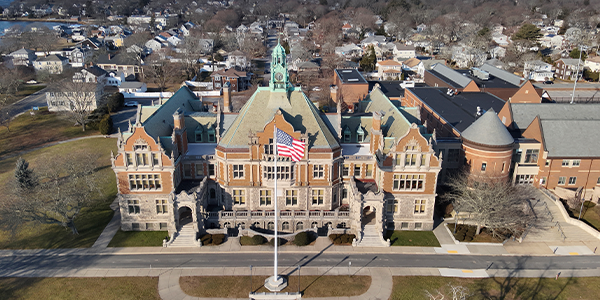
Similarly, work at New Britain Museum of American Art in New Britain, Connecticut and Harris Public Library in Woonsocket, Rhode Island, reflect how reroofing projects often serve as a critical intervention point for extending the life of aging institutional buildings.
Preserving historic character while upgrading performance
For historic and institutional buildings, preservation adds another layer of complexity. Maintaining the architectural character of a structure must be balanced with modern performance requirements.
Projects like Marble House in Newport, Rhode Island required architectural metal work, reroofing and restoration that respected the building’s historic appearance while upgrading performance. At Fairhaven High School in Fairhaven, Massachusetts, Greenwood Industries and TWC Phoenix collaborated on a large-scale restoration that included slate roofing, copper systems, waterproofing and masonry repairs.
Work on the Cathedral of Saints Peter and Paul in Providence, Rhode Island further demonstrates the level of coordination required on historic structures, where roofing, masonry restoration and waterproofing must all align to protect complex architectural features.
These projects highlight a key reality: historic restoration is not just about preserving appearance. It requires integrating modern materials and systems in a way that supports long-term durability without compromising the building’s character.
What to evaluate before starting a project
If a building is showing signs of aging, consider the following:
- Are leaks or water-related issues recurring in the same areas?
- Are roofing systems approaching or exceeding their expected lifespan?
- Is masonry showing signs of cracking, open joints or deterioration?
- Are repairs addressing the root cause or only the visible symptoms?
- Have roof, masonry and waterproofing systems been evaluated together?
These conditions may indicate the need for a more comprehensive approach rather than isolated repairs.
Planning for long-term performance
Addressing aging infrastructure requires more than reactive maintenance. It requires planning, coordination and an understanding of how systems interact across the building envelope.
Greenwood Industries approaches these projects with integrated teams of roofers, masons and metal fabricators working together to restore historic structures while meeting modern performance demands. By evaluating roofing, masonry and waterproofing together, facility teams can prioritize improvements, align scopes of work and reduce long-term costs associated with repeated repairs.
A well-planned reroofing and restoration project not only extends the life of the building, but also improves performance and protects structural components.
Spring and early summer are a critical window for evaluating aging buildings after winter conditions have taken their toll. Freeze-thaw cycles, snow load and prolonged moisture exposure often reveal vulnerabilities across roofing, masonryand waterproofing systems. This is the time to assess these conditions, plan ahead and prioritize projects before minor issues develop into larger repairs during the active construction season.
If a facility is showing signs of aging, now is the time to take a closer look.
Closing thoughts
Across the Northeast, aging buildings are not going away, the way they are maintained is evolving. Reroofing and historic restoration are no longer just repair strategies. They are opportunities to improve performance, extend service life and preserve the structures that define our campuses and communities.
With the right approach, these projects can move beyond short-term fixes and deliver lasting value for both the building and the people who rely on it.
Learn more about Greenwood Industries in their Coffee Shop Directory or visit greenwoodindustries.com.
Recommended For You

6 ways to grow your service department
Read More ...
Bain & Irvine retains NFRC Craft Roofer status
Read More ...
5 Ways to Grow Your Business by Expanding Your Local SEO
Read More ...
UP TO THE MINUTE
Comments
Leave a Reply
Have an account? Login to leave a comment!
Sign In