UP TO THE MINUTE







Out of the frying pan and into the fire
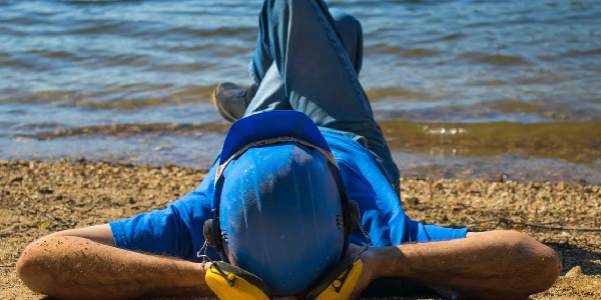
By Julia Farrell, WRYKER Construction Supply.
It’s summertime, which often means warm days enjoying a break from winter storms and stressors. But summer brings its own dangers, including heat stress.
Heat can be very dangerous, especially for fields like construction where a lot of work is done outside and includes a large amount of physical labor. In extreme cases, heat stress can cause illness, injury and even death. But the experts here at WRYKER Construction Supply have put together a guide to help you identify heat stress symptoms and how to protect your team from danger.
The basics of heat stress
Heat stress is a severe illness that can cause rashes, cramps, exhaustion and in the worst-case scenarios, death. Every year about 15 construction workers die of heat exhaustion. It happens when there is a buildup of body heat produced internally from muscle use or externally from outdoor temperature. During construction in the summer months, typically, both of these occur. You are working hard, and the outdoor temperatures are rising. You might also find yourself wearing waterproof clothing, which further exacerbates body heat buildup because it lacks breathability.
Heat exhaustion can happen to anyone, but certain risk factors might make you more likely to get sick. If you are overweight, have heart disease or high blood pressure, you are at an increased risk. Additionally, if you take allergy medication, decongestants or blood pressure medication, you need to be extra cautious around heat.
Symptoms of heat exhaustion
Heat-related illness range widely, but we have compiled a condensed list to help you correctly and safely identify heat illnesses and treat them accordingly.
- Heat rash: Symptoms include rash (tiny red spots) and general discomfort. It should be treated by applying cream or powder and changing your clothes.
- Heat cramps: These are identified by painful spasms in the body. Often located in the abdomen, but they can be in the back and legs as well. To treat, you should get some electrolytes in your body using any of the following methods: electrolyte tablets, electrolyte drinks or salty foods such as chips.
- Heat exhaustion: Characterized by dizziness, nausea, vomiting, heavy sweating, visual disturbances, intense thirst, breathlessness, palpitations, numbing and tingling of the hands and feet, ringing in ears, headache, fatigue and muscle weakness or cramps. This should be treated by moving to a shaded or air-conditioned area to rest, drinking lots of water, chilled if possible. Cooling towels, ice packs and/or fans can be helpful to cool down quickly.
- Heat syncope: This is identified by giddiness and fainting. If contracted, you should move to a shaded or air-conditioned area, rest and drink lots of water, chilled if possible.
- Heat stroke: This can occur when you reach an extreme body temperature (above 104 degrees). Other symptoms include altered behavior, loss of consciousness, seizures, disorientation and red/dry skin. If heat stroke has occurred, someone must call 911 immediately. Then, help move the affected person to a shaded or air-conditioned area. Remove or loosen clothes and wipe skin with cool water. Fan the person suffering with any material available until help arrives.
Heat exhaustion is a severe hazard when working construction. Not only can heat make you sick, but it can also increase the risk of other injuries. Glasses can fog up, making it difficult to see. Hands can become so sweaty that you can’t reliably hold onto your tools. Beyond that, heat slows productivity by causing fatigue, leading to lower job performance.
All this being said, fear not! Now that you know what to look for, you are ready to combat heat stress before it becomes critical. With proper preparations, there are ways to protect yourself and your fellow workers from the heat.
How to prevent heat stress
Previously, OSHA recommended that employers screen their workers for heat stress at 91 degrees, but recently, the CDC has changed that recommendation to 85 degrees. We recommend following the CDC guideline and start checking employees at 85 degrees. During these routine examinations, monitor heart rate and body temperature. It is always better to be safe than sorry.
In addition to checking employees regularly, OSHA requires that employers provide three necessary preventative measures to protect employees.
- Cold drinking water must be provided by employers and drinking water should be encouraged, especially during breaks. One cup of water for every 15 minutes in extreme heat is the minimum to prevent heat exhaustion.
- Shade or a cool environment must be accessible to workers for breaks.
- Workers should be allowed to take frequent breaks and workers who are experiencing mild heat exhaustion symptoms should be granted additional breaks.
As an employer, be sure you provide these basic measures to help keep your workers safe. If you are a worker, take advantage of your water and breaks – drinking adequate amounts of water could save your life.
Employers can provide additional measures to ensure safety during the heat. We have a few suggestions that will keep you and your workers safe from the heat.
- Schedule heavy work during the coolest part of the day, typically early morning.
- Allow workers to get used to the heat with gradual exposure over five days.
- Provide additional breaks for workers wearing full body personal protective equipment, such as a Tyvek suit.
- Rotate workers so that breaks don’t feel like they are slowing down your workflow.
- Advise your workers to wear lightweight clothing or provide it for them.
- Have extra workers rotating to limit exposure for any one individual.
- Provide drinks or drink packets with electrolytes such as Liquid IV or Gatorade
Employees should take the following measures to protect themselves each day.
- Eat well: breakfast, lunch and dinner, with five to eight servings of fruit and vegetables per day.
- Get plenty of sleep: eight hours is generally recommended.
- Avoid drinking alcohol the night before a hot job.
- Drink some water every 15 minutes. Frequent, smaller drinks are more effective for hydration than one large gulp.
- Avoid caffeine. If you feel tired, try a few stretches to wake yourself up.
- Take your breaks! They are for your benefit.
- Wear lightweight, light-colored clothing. Cotton is often a great option.
- Apply sunscreen. Before work, apply it to any exposed skin. Reapply when needed.
Original article source: WRYKER Construction Supply
Find OSHA-compliant products favored by workers here!
Learn more about WRYKER in their Coffee Shop directory or visit www.wryker.com.
Recommended For You
What is the Difference Between Low-slope and Steep-slope Roofs?
Read More ...
Building stronger, high-performing envelopes
Read More ...
You Don’t Always Need to Coat Your Metal Roof
Read More ...
UP TO THE MINUTE
Comments
Leave a Reply
Have an account? Login to leave a comment!
Sign In